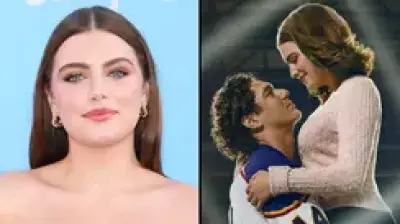
Pop star Kesha has publicly revealed that she's being legally prevented from releasing an updated version of her hit song 'Tik Tok' featuring altered lyrics about P. Diddy.
The Lyric Change That Started It All
In 2024, following numerous abuse and sexual assault allegations against rapper P. Diddy, Kesha began performing a modified version of her 2009 chart-topper during live shows. The original line "Wake up in the morning feeling like P. Diddy" was replaced with the more confrontational "Wake up in the morning like f--k P. Diddy."
The change came amidst significant legal troubles for the rapper, who was ultimately sentenced to four years in prison on October 23, 2025, after being found guilty of transportation for the purposes of prostitution.

Permanent Change But Legal Barriers
Kesha confirmed via Instagram that the lyric alteration was permanent, writing: "Yes it is permanent. I will re-record it when I have legal rights to!" She later demonstrated her commitment to the change by performing the updated version on TikTok.
Despite her enthusiasm for the revised lyrics and having already re-recorded the track, the new version remains unreleased, even with the upcoming anniversary edition of her debut album 'Animal' scheduled for November 21st.
Why Can't Kesha Release The New Version?
In an interview with Rolling Stone, Kesha stated plainly: "I am not allowed to release it yet. But at my shows, just so everybody knows, the lyrics have officially changed to 'wake up in the morning like, f--- P. Diddy.'"
She added significantly: "And that stands for all that I can't say."
While the exact legal reasons remain unclear, industry experts suggest the blockage likely relates to ownership issues. The original version of 'Tik Tok' is owned by her former label Kemosabe, which is run by Dr. Luke - Kesha's former collaborator whom she has previously accused of sexual assault.
This situation highlights the complex legal constraints artists can face when attempting to modify their earlier work, even when wanting to distance themselves from controversial figures referenced in their songs.