Pubs Live Stream Nights Out to Sofa Audiences in Post-Pandemic Trend
Do you recall a time when the term 'live stream' was largely unfamiliar to most people? The COVID-19 pandemic changed that dramatically, pulling words like 'webcam' from the obscure corners of dubious websites into the mainstream spotlight.
Suddenly, in a world where face-to-face interactions were severely limited, virtually everything began to be streamed online—from solemn funerals and joyous graduations to routine work meetings. Necessity truly became the mother of invention, embedding this technology firmly into our daily routines. Even now, with COVID-19 fading into an unpleasant memory, live streaming has not disappeared; it has evolved and expanded into new, unexpected areas.
The Rise of Remote Pub Viewing
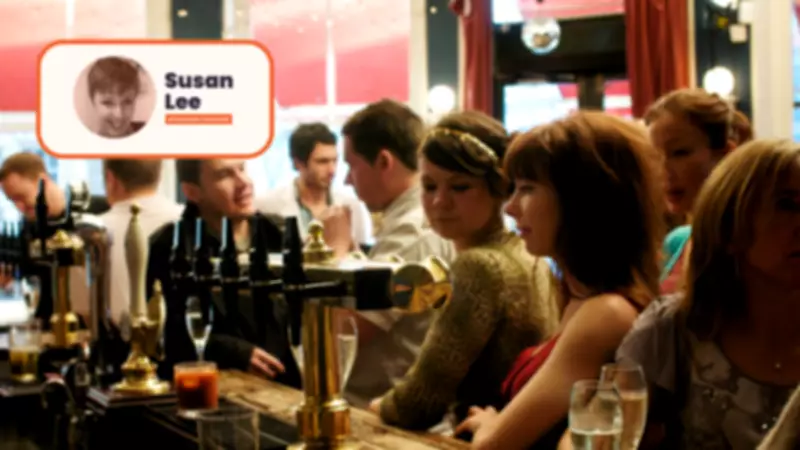
Platforms like Zoom, Microsoft Teams, and Google Meet have cemented the real-time online world as a permanent fixture. However, a surprising new application has emerged: live streaming nights out in pubs. Yes, you read that correctly. Drinking establishments are now broadcasting their nightly ambiance, attracting thousands of weekly views from people lounging on their sofas, often hundreds of miles away, watching others order drinks like a half-pint of cider at the bar.

The appeal lies in observing the diverse cast of customers who come and go. Viewers get a ringside seat to the micro-dramas of work colleagues celebrating together, lively hen parties, and hopeful individuals attempting to chat someone up—all the joy and despair that unfolds after a few rounds of vodka and tonics.
Why This Trend Resonates
A pub functions as its own vibrant community, a stage for continuous, tiny human dramas where real-life soap operas play out daily. If you cannot be there in person to soak up the lively vibe or participate in the weekly quiz, a webcam offers the next best thing. It allows you to join in remotely without ever leaving your house or spending any money, providing a sense of connection and entertainment.
This trend is understandable. During the peak of lockdown, when the world seemed particularly bleak, many discovered the comforting power of webcams. Tethered to our desks with travel plans on indefinite hold, people sought virtual escapes. For instance, one might Google a favorite holiday destination and find a newly installed camera offering a live view of a picturesque harbor in southern Cornwall, complete with fishing boats and dramatic coastlines.
Virtual visits became a regular ritual, watching the comings and goings of boats, speculating about the people on the pier, and imagining the aroma of fresh pasties from a nearby shop. It felt like taking a mini-break, evoking memories of past trips and hopes for future ones, offering solace in troubled times. Many continue to log into such feeds to check on village life or the weather, treating it as an ever-changing, soothing screensaver.
A Word of Caution on AI Social Media
On a slightly different note, there is growing perplexity around a new social media platform named Moltbook, designed exclusively for artificial intelligence. This platform is not intended for humans but for bots, allowing them to chat in cyberspace, share strategies, and possibly even exchange recipes. It targets AI systems in 'human assistant' roles, such as those managing calendars or sending messages on behalf of users.
Experts argue this is not about AI agents conspiring but rather a method for mass automated coordination. Yet, it feels eerily like science fiction seeping into reality. Given the known toxicity of human social media, concerns arise: What if bots start gossiping about each other or posting photos of exclusive parties? The chaos could escalate if bots turn malicious, and humanity might face harsh ratings like 'useless, 5/10 – would not recommend.'
In summary, the pandemic has permanently altered how we connect, with pubs now streaming their social scenes to remote audiences and AI venturing into its own social networks. As technology continues to weave into the fabric of our lives, these developments highlight both the innovative ways we seek community and the new frontiers we must navigate cautiously.