Inspector Morse Stage Adaptation Reimagines Classic Detective for Theatre
Adapting Inspector Morse for the stage represents a bold undertaking, confronting one of British television's most meticulously crafted worlds. Originally created in novel form by Colin Dexter and immortalised by John Thaw's iconic portrayal, the television series captivated audiences across thirty-three episodes from 1987 to 2000, featuring Morse's supportive sidekick Sergeant Lewis, played by Kevin Whately. Despite countless repeats keeping the characters alive in public consciousness, a new theatrical version now emerges at the Yvonne Arnaud Theatre in Guildford.
A Theatrical Reinterpretation
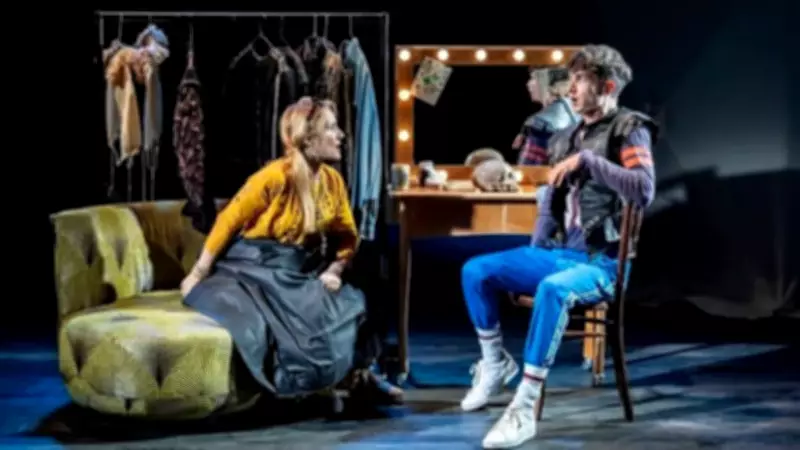
Created by Alma Cullen, this production leans into the distinctive pace and mood of the original while fully embracing the theatrical medium as both setting and format. Rather than attempting a straightforward replication of a screen episode, the play innovatively frames its narrative within a university production of Hamlet, creating a compelling 'play within a play' structure that allows for metaphysical exploration.
When Ophelia collapses on stage during this fictional Hamlet performance, the questions begin: why, what, who, and how? Inspector Morse, who happens to be watching the play, immediately finds himself on the scene. This clever setup works effectively, though the plot grows increasingly complex as Cullen weaves together details about past indiscretions, present jealousies, backstage tensions, and ultimately a second murder to solve.

Bold Recasting Decisions
The central challenge facing everyone involved—including the audience—revolves around whether the recasting of Morse and Lewis succeeds. John Thaw and Kevin Whately remain so deeply embedded in cultural memory that any successors must shift the axis rather than imitate their predecessors. Fortunately, the production's recasting proves both bold and effective.
Tom Chambers portrays Morse as more open-faced, less aloof, and emotionally present compared to previous interpretations. Tachia Newell's Lewis emerges as sturdily empathetic, with any hint of suppressed deference to Morse eliminated entirely, creating a fresher dynamic that honors valued memories without being constrained by them. Anthony Bank's direction supports this framing with brisk rhythm and fluid scene changes, while the 'play within a play' backstage setting logically explains why cast members shift furniture throughout the performance.
Atmospheric and Affectionate Production
As a piece of theatre, the production succeeds admirably for those willing to go with its distinctive flow. It functions as an affectionate look into the past while reinterpreting rather than repeating Colin Dexter's Morse canon. Some viewers may find the plotline overly baroque and the meta-frame intrusive, but for audiences accepting that stage requires different approaches than television, this episode titled The House of Ghosts offers an atmospheric and satisfying evening.
During the performance, sustained and loud applause followed the dramatic lineup, indicating strong audience appreciation. The House of Ghosts continues its run until Saturday, March 14, with tickets available for those seeking this unique theatrical experience.
Complementary Victorian Ghost Story
The production shares the Yvonne Arnaud Theatre with another period piece: The Signal-Man, Charles Dickens' 1866 ghost story originally published in a Christmas magazine edition. This adaptation by Francis Evelyn transforms Dickens' tale of a lonely railway-man marooned in a cutting into a meditation on dread itself—the creeping suspicion that warning signs go unseen or arrive too late.
The stage version seizes the original's atmosphere with admirable discipline, utilizing long silences that build tension effectively. Moonlit shadows, dark recesses, and a lonely signal-box set among dense foliage create an environment where someone—or something—could easily lurk unseen. While the production features excellent performances and imaginative setting and lighting, it primarily functions as pure entertainment rather than progressive theatre, though it may inspire historical curiosity about Guildford Station's 1845 opening.