To Kill A Mockingbird Theatre Review as 'Harrowing' Show Opens at Birmingham Hippodrome
'I never thought I'd see the hooded Ku Klux Klan tread the boards of the Birmingham Hippodrome'
During a recent performance at the Birmingham Hippodrome, I felt my friend Chloe's hand on my elbow as the theatre lights glimmered off specks of spit exploding from the mouth of Bob Ewell, portrayed by Oscar Pearce. He screamed the hard 'R' N-word on stage with such frightening intensity that my entire body froze in my seat, transporting me directly to the courtroom in Maycomb, Alabama.
A Stark Contrast to Previous Theatre Experiences
I've enjoyed numerous memorable moments at the Birmingham Hippodrome over the years, from silently mouthing lyrics during Wicked performances to marveling at the magical creatures in The Lion King and creating cherished Christmas memories during The Nutcracker. However, To Kill A Mockingbird was cementing itself in my psyche for entirely different reasons. This production stands as one of the most powerful and challenging theatrical experiences I've ever witnessed.

Earlier that same day, I had participated in journalism training focused on conflict resolution, identifying danger in potentially volatile situations, and developing strategies to maintain personal safety during unrest. Remarkably, I found myself confronting these very themes during the performance, as Harper Lee's 1960 novel came to life on stage, spiking my adrenaline with its relevance to contemporary discourse.
The Courtroom Drama That Still Resonates
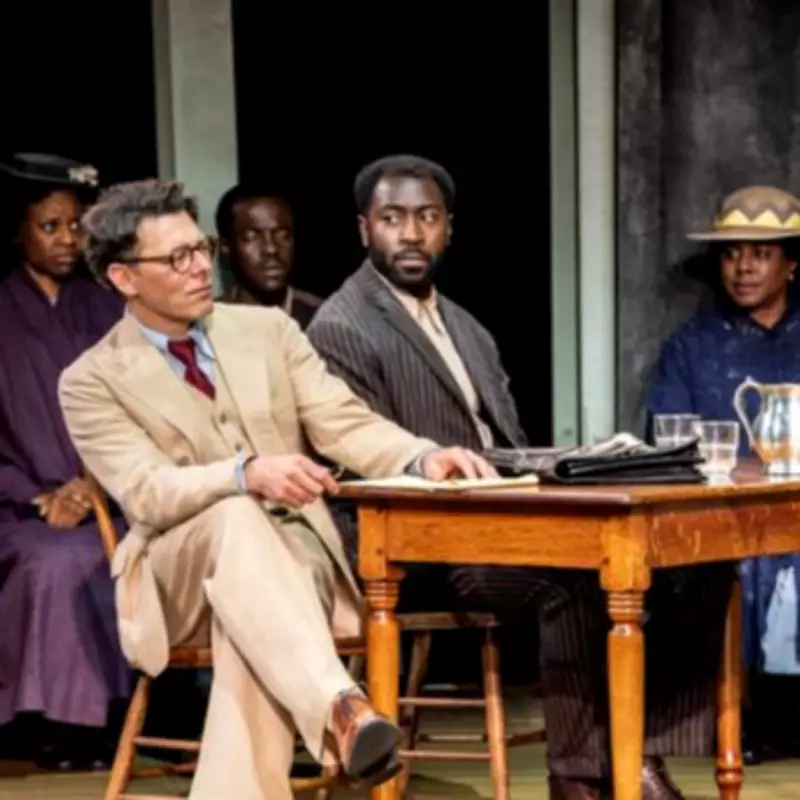
At its core, To Kill A Mockingbird presents a gripping courtroom drama where two white men debate whether Tom Robinson, portrayed by Aaron Shosanya, should live or die. Robinson is a black man maliciously and falsely accused of assaulting a white teenager. The production highlights disturbing imbalances, with more lines dedicated to one minute of white male dialogue than all black characters combined throughout the entire show.
This imbalance proves both poignant and anger-inducing. I frequently found my eyes drawn to the public gallery of the courtroom, where tears glistened on the cheeks of characters who remained largely voiceless throughout the narrative.
Unforgettable Moments and Performances
One sound continues to echo in my memory: the harrowing scream of agony emitted by Calpurnia, played by Andrea Davy, on the porch of Atticus Finch's house. That single scream conveyed countless unbearable stories simultaneously, creating a moment of profound emotional impact.
The production does offer merciful moments of comic relief, primarily delivered by the innocent trio of narrators: Scout (Anna Munden), Jem Finch (Gabriel Scott), and the tragically complex Dill Harris (Dylan Malyn). Without these respites, I might have considered leaving during the interval to avoid confronting the challenging themes presented in one of Birmingham's finest cultural venues.
Confronting Historical Horrors on Stage
I never anticipated witnessing hooded Ku Klux Klan members strolling across the Hippodrome stage. Their presence proved more frightening than any horror movie villain, creating discomfort that surpassed even the glimmering light reflecting off Bob Ewell's venomous spit flecks.
This exceptional company of actors delivered one of the most intense performances I can recall. The production created such immersion that I wanted to intervene, to shake Mayella Ewell (Evie Hargreaves) until she agreed to tell the truth so everyone could leave satisfied. Whether she ultimately does reveal the truth remains something audiences must discover for themselves.
A Heavy but Necessary Theatrical Experience
Among all the stories I've seen unfold on stage, this one carries the heaviest emotional weight for both performers and audience members. The production continues at the Hippodrome until Saturday, April 18, and while I cannot promise it will be the most entertaining theatre experience you'll ever have, I strongly encourage attendance for those seeking to understand why this story remains relevant decades after its publication.

The Birmingham Hippodrome has created space not merely for entertainment but for challenging conversations and inspired reflection. How fortunate we are to have cultural institutions that facilitate such important dialogues through powerful artistic expression.