University of Chester Professor Among First to Study Lost Charlotte Brontë Manuscript
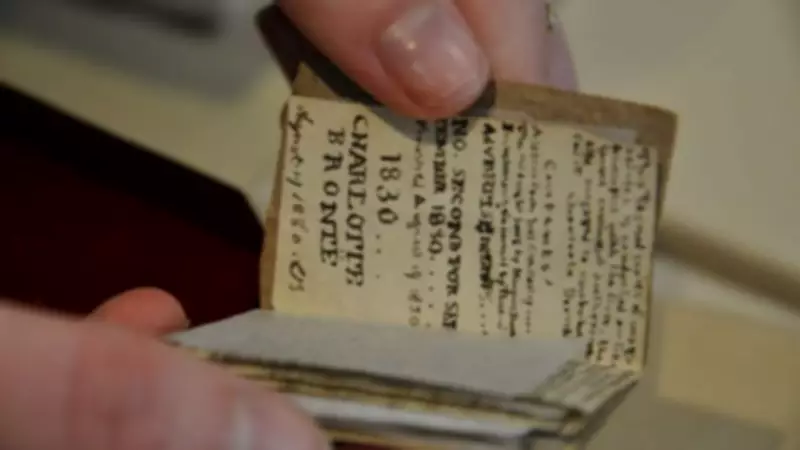
Professor Deborah Wynne from the University of Chester has experienced a rare academic privilege, being selected as one of the first scholars to examine a long-lost manuscript written by literary icon Charlotte Brontë. This remarkable opportunity came after the Brontë Parsonage Museum successfully acquired the missing September 1830 issue of The Young Men's Magazine, which had been hidden from public view for more than a century.
The Discovery of a Literary Treasure
The miniature magazine manuscript, written in Charlotte Brontë's distinctive tiny script when she was just fourteen years old, represents the missing piece of a series she both edited and authored before achieving fame with novels like Jane Eyre. The Brontë Parsonage Museum in Haworth, Yorkshire, which houses the famous sisters' former home, already possessed the other issues but had been searching for this particular volume for decades.
Despite the museum's efforts, including fundraising campaigns and donations from supporters like Professor Wynne, they were initially outbid by a French company when the manuscript appeared at auction in 2011. The magazine later resurfaced at a Parisian auction house in 2019, prompting renewed determination from the museum. After tense auction proceedings, the manuscript finally returned to its rightful home in Yorkshire, where it was written nearly two centuries earlier.

Academic Analysis and Publication
Once the manuscript was safely at the museum and underwent careful examination by the curatorial team for preservation, Professor Wynne was approached by Dr Claire O'Callaghan, Editor of Brontë Studies, to contribute to a special academic project. She was asked to study and write an analysis of The Journal of a Frenchman feature within the magazine, spending months researching how this extract fit into the larger narrative.
Professor Wynne's essay was recently published alongside other scholarly analyses in Brontë Studies, marking a significant contribution to Brontë scholarship. In her article, she explores how the teenage Charlotte adopted the perspective of a clothes-conscious, pleasure-loving young French aristocrat who becomes intoxicated and disorderly during his first visit to Paris.
"I felt incredibly privileged to be part of this project," Professor Wynne stated. "Seeing the manuscript and realizing that I was one of the first people to read it was truly exciting. Reading The Journal of a Frenchman conveys an impression of Charlotte's fascination with the material riches of Parisian high society and the freedoms enjoyed by young men of wealth."
Broader Cultural Significance
The manuscript's public emergence coincides with renewed interest in Brontë literature, particularly with new adaptations of sister Emily Brontë's Wuthering Heights bringing the family's work back into the spotlight. Professor Wynne emphasized the importance of the manuscript's return to the Brontë Parsonage Museum, where it now resides alongside other family artifacts.
"It is wonderful that this fascinating manuscript is now where it belongs, accessible to visitors and researchers from around the world," she added. Professor Wynne serves in the Division of Communication, Screen and Performance within the School for the Creative Industries at the University of Chester, where she continues her work in literary studies.
This discovery not only enriches our understanding of Charlotte Brontë's early development as a writer but also highlights the ongoing importance of preserving literary heritage for future generations of scholars and enthusiasts.