Birmingham Council Proposes Bus Gate to Combat Harmful Pollution on Key Route
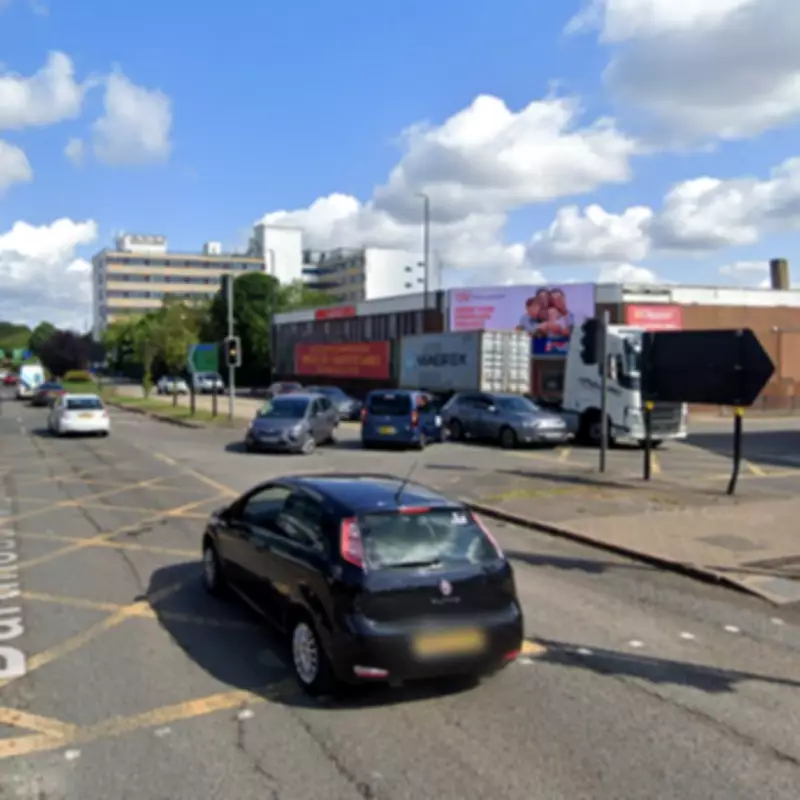
Birmingham City Council has unveiled plans to install a new bus gate near the city centre as part of a concerted effort to tackle what it describes as 'harmful pollution' affecting a major transport corridor. The Labour-run authority is targeting the junction of Dartmouth Middleway, Lister Street, and Great Lister Street with proposed changes designed to address poor air quality and alleviate chronic congestion issues.
Targeting Pollution Hotspots in the Knowledge Quarter
The planned improvements for this site, located within the heart of Birmingham's Knowledge Quarter, include the introduction of a bus gate on Dartmouth Middleway. This measure will prohibit eastbound and westbound general traffic while simultaneously implementing shared-use cycle tracks to promote alternative, cleaner modes of transport. A bus gate operates by giving priority to buses at junctions, holding other vehicles at a red light to allow public transport to advance ahead of queued traffic, thereby improving flow and reliability.
The council has identified the Dartmouth Middleway junction as suffering from particularly poor air quality, a problem exacerbated by congestion and slow-moving traffic. This situation leads to elevated levels of harmful pollutants, notably nitrogen dioxide (NO₂), which is known to adversely affect lung health. The impact is especially concerning for children and young people, given the junction's proximity to numerous schools, colleges, and universities within the Knowledge Quarter. Enhancing air quality and the overall street environment in this educational hub is deemed a priority for public health.

Part of a Broader Clean Air Strategy
These proposals form an integral component of Birmingham's wider Clean Air Zone Additional Measures programme. This initiative focuses on delivering targeted changes in locations where cleaner air is most urgently needed. The council asserts that the scheme supports its broader transport and climate objectives by reducing what it terms 'unnecessary' through-traffic and granting greater priority to public transport, walking, wheeling, and cycling.
"We cannot tackle the climate emergency without fundamental changes to the way people and goods move around our city," states the council's transport plan. "We need to work with our partners to secure investment and make Birmingham a place where walking, cycling and using public transport are the best and preferred modes of travel for most people. Even then, we must all fundamentally change our travel habits and reduce the overall amount we travel by car."
The council further emphasises that over-dependence on private vehicles is detrimental to health, community wellbeing, and local business, citing millions of pounds in lost productivity annually due to congestion.
Funding and Public Consultation
The proposed works at the Dartmouth Middleway junction are financed through a government capital grant of £14.215 million allocated for the Clean Air Zone Implementation Programme, which the council accepted in 2019. The total cost for this specific scheme is just under £1 million, covering detailed design, public consultation, and construction phases.
A public consultation on the proposals is currently underway, allowing residents and stakeholders to provide feedback until February 19. This engagement process is a critical step in refining the plans and addressing community concerns before any implementation moves forward.