Spring Mulching Guide: Expert Tips for Choosing the Right Mulch for Your Garden
As the sun lingers longer and days grow warmer, many gardeners are heading outdoors to begin their annual spring tidy-up. After clearing away those first weeds, applying a nourishing layer of mulch is an excellent way to tuck in flower beds, ensuring they stay hydrated and healthy throughout the upcoming season. Finding the perfect mulch for your specific garden can feel like solving a puzzle, but you are certainly not alone in this challenge.
Understanding Mulch Selection and Sourcing
David Stanford-Beale, a doctor of entomology at MAD (Make A Difference) Company, observes that most gardeners naturally seek a finish that complements the beauty of their home and cherished plants. He notes that while many buyers prioritize an attractive appearance in the garden, only a small fraction investigate the specific ingredients and origins of the product. It is strongly advised that gardeners carefully examine packaging for local sourcing information before making a purchase commitment.
Popular Mulch Types and Their Benefits
Compost: Whether created at home or purchased from a retailer, compost provides significant nutrition to plants such as hostas and roses while effectively preventing weed development. The Royal Horticultural Society (RHS) suggests it works well across most soil types to improve structure, though it should be kept away from Mediterranean plants like lavender, which prefer poorer conditions. Stanford-Beale points out that buying enough bags to cover a substantial area can become a significant expense if you are not producing your own supply. Additionally, some varieties may contain dormant seeds that will require removal once they begin to sprout.

Farmyard Manure: This material is a potent option for holding water and adding richness to the earth, making it a perfect choice for established shrubs. It significantly enhances the soil's physical makeup and is generally free from the risk of introducing unwanted weeds. The RHS warns that users must ensure the manure is completely rotted down to avoid damaging or scorching their vegetation. If the material is still emitting steam or a strong odour, it requires further time to decompose safely.
Straw: "Straw-based mulches are OK. They look and smell nice, so the customer has a great reaction. They break down really quickly and release loads of potassium in the soil," says Stanford-Beale. He adds: "It's fine to use a straw mulch on a raised bed or allotment in spring, but you need to make sure that younger plants, brand new seedlings, don't get too much potassium all at once. It only becomes an issue when you go year after year after year with straw mulch, and it will build up, but if gardeners are sensible about what they are putting in, there shouldn't be any problems."
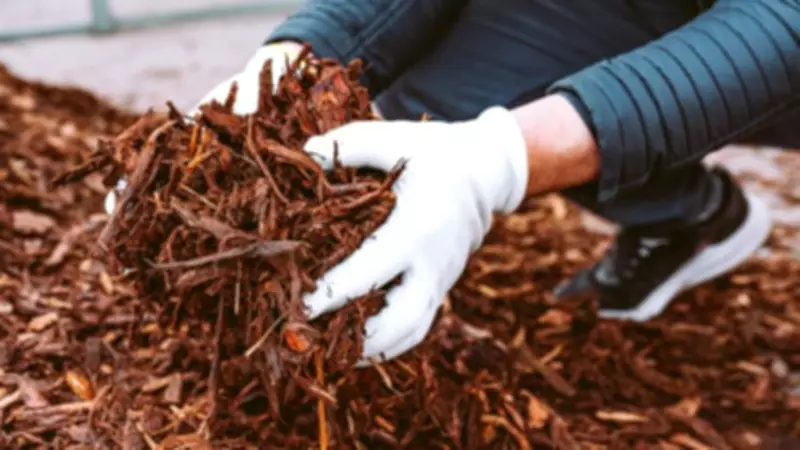
Bark: Bark chippings are a popular choice for suppressing weeds, but they also foster a healthy underground environment by encouraging activity from worms and insects. Stanford-Beale explains: "If you have more moisture, you end up with less air and get slightly different cycles going on in your soil, so it encourages worms and lots of burying insects to come up through that mulch and recycle it around. It's like what happens in the forest and in nature, the leaves will come down, act as a big mulch and stimulate the ecosystem around it to pull that nutrition down." He suggests matching the bark type to the tree species when possible, such as using oak bark for oak trees. However, he warns: "People are not labelling responsibly or properly, and it's making it difficult for customers to choose responsibly, but places like Crocus and Blue Diamond Garden Centres are starting to do that, where they make sure that their suppliers label what the product is and what it's made of."

Non-biodegradable Materials: Slate, shingles, and decorative glass are often chosen for their longevity and weed-preventing properties in containers and borders. However, Stanford-Beale notes that these materials can migrate onto lawns and cause damage to garden machinery over time. He cautions: "That slate and glass will go on to your grass and break your lawnmower. And for the rest of time you're going to be finding that product in your bed. So if you use something today which you like because of aesthetics, make sure you'll like it in 20 years, because it's still going to be there."
Application and Depth Recommendations
For those looking to effectively block weeds without using a plastic membrane, a depth of roughly three inches is recommended. Stanford-Beale concludes: "But any amount helps, even if it's just a scattering to add organic matter to your soil." By selecting the right mulch and applying it properly, gardeners can ensure their outdoor spaces remain vibrant and healthy throughout the spring and beyond.