Birmingham Council Leader Provides Update on Bins Strike and Recycling Collections
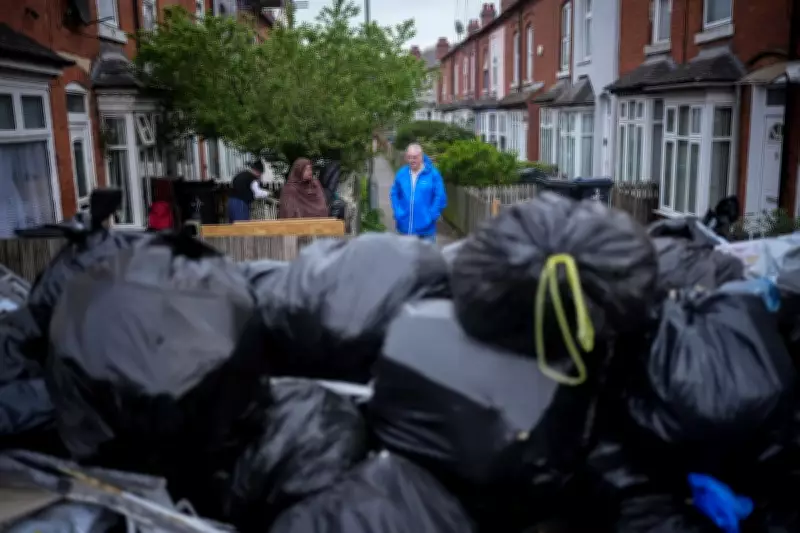
The leader of Birmingham City Council has pledged that recycling collections will be reinstated in "the months ahead" as residents endure a year-long wait, with the bins strike now entering its second year. During a critical budget meeting, council leader John Cotton addressed the ongoing dispute and outlined future plans for key waste services.
Strike Impact and Recycling Suspension
The bins strike, which began over a year ago, led to uncollected waste accumulating in city streets and resulted in the suspension of recycling collections last February. For more than 12 months, residents have had to store their recycling, dispose of it in household rubbish bins, or make trips to recycling centres. Labour-run Birmingham City Council recently confirmed that its delayed waste service transformation, including the reintroduction of recycling, is scheduled to roll out from June 2026, regardless of the strike's status.
Council Leader's Commitment and Financial Stability
In his address, John Cotton emphasized the council's commitment to a negotiated settlement for the bins strike but stressed that financial stability would not be compromised. "Of course we all want a resolution, but I have been clear throughout that I will not put this council’s future financial stability at risk," he stated. "My commitment remains for a negotiated settlement – but not one at any price. We will not repeat the mistakes of the past." He added that a plan is in place to bring back recycling and green waste, introduce food waste recycling, and launch a pilot in the coming weeks, ensuring the city eventually has a modern and reliable waste service.

Potential Delays and Resident Frustration
If the bins strike continues into the summer, recycling collections may not return until at least June, approximately 15 months after their suspension. Coun Majid Mahmood, cabinet member for environment, acknowledged resident frustration, noting that recycling rates have dropped from 23% to 15%. He thanked residents for their patience and highlighted efforts to support them, such as extending hours at recycling centres and removing booking systems at Castle Bromwich.
Budget Approval and Financial Recovery
The recent budget meeting saw plans for the next financial year approved, with John Cotton announcing that the tag of 'bankrupt Birmingham' has been discarded. The council declared effective bankruptcy in 2023, leading to service cuts and tax hikes. Cotton credited the recovery to hard work by members and officers, closing a £300 million budget gap and addressing equal pay liabilities. The 2026/27 budget includes an extra £130 million investment in council services, with £40 million allocated for cleaner streets and fly-tipping enforcement.
Opposition Criticism and Ongoing Challenges
Despite the budget approval, Birmingham Labour faced criticism from opposition councillors over the impacts of bankruptcy and the bins strike. Conservative group leader Robert Alden condemned the "double whammy of higher taxes for fewer services" and blamed Labour's failures for the city's struggles. The council continues to navigate major challenges, including the strike and financial pressures.
Waste Service Transformation Details
The planned waste service transformation is a key part of the council's financial recovery, shifting household rubbish collections from weekly to fortnightly. From June 2026, weekly food waste collections and a second recycling bin for paper and cardboard will be introduced in phases. A previous council report indicated that the waste service team will explore options to reinstate recycling and green waste as soon as possible. The transformation was delayed last year due to the strike, which stemmed from disputes over pay and role changes, with workers claiming potential pay cuts of £8,000, a figure disputed by the council.