Flying Scotsman's Birmingham Visit Overshadowed by Fly-Tipping Disgrace
The highly anticipated visit of the iconic Flying Scotsman locomotive to Birmingham was meant to be a celebration of railway history and community joy. However, for many passengers and observers, the experience was severely tarnished by an all-too-familiar sight: extensive fly-tipping along the railway routes.
A Scenic Journey Marred by Rubbish
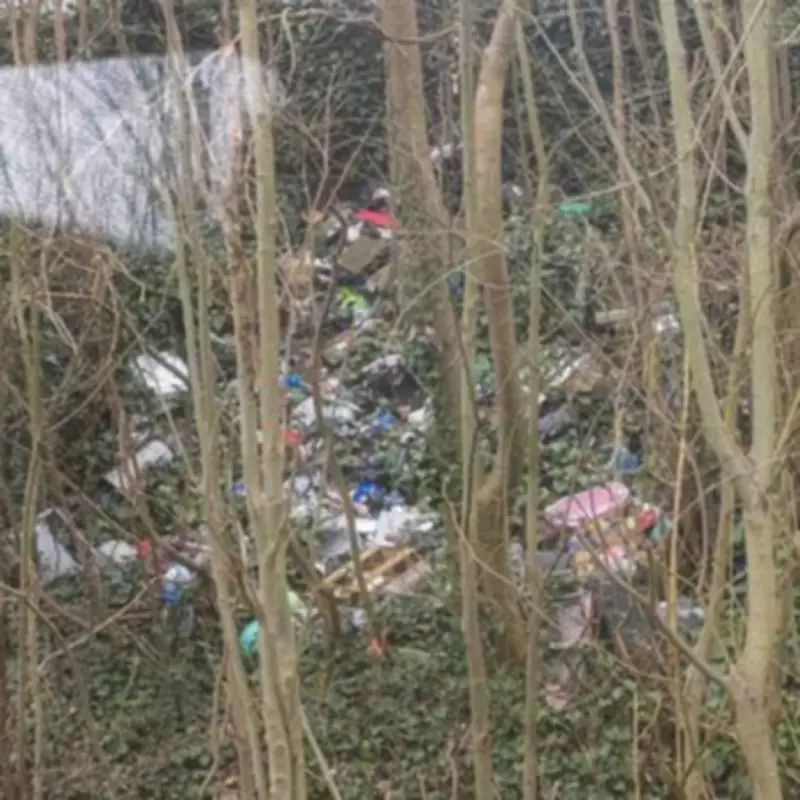
As the historic steam engine, famous for being the first to reach 100mph and circumnavigate the globe, chuffed through areas including Acocks Green and towards Solihull, passengers in plush carriages were treated to views that included piles of discarded waste. From faded plastic garden slides to entire pieces of living room furniture, the garbage lining the tracks created an embarrassing contrast to the locomotive's grandeur.
Visitors from across the country, many who had traveled specifically for this once-in-a-lifetime experience, expressed their delight at seeing the Flying Scotsman. Yet their enthusiasm was dampened by the unsightly waste visible through the train's large picture windows. The situation evoked comparisons to having guests over while household chores remain undone—a source of shame for the host city.

Ongoing Waste Management Challenges
This incident highlights Birmingham's persistent struggle with waste management, which gained national attention during last year's bin strikes. While those industrial actions led to temporary accumulations of household waste, the current problem appears different in nature.
The fly-tipping observed from the train suggests deliberate dumping of larger items rather than temporary overflow from standard collections. Items such as wash baskets, flower pots, and wooden palettes were noted among the rubbish, indicating possible involvement of rogue traders or individuals treating railway embankments as convenient disposal sites.
Community Spirit Versus Environmental Neglect
Despite the disappointing backdrop, the Flying Scotsman's visit did generate genuine community excitement. Families gathered on railway bridges, platforms, and in back gardens to witness the historic locomotive pass by. Children jumped with excitement, multi-generational groups posed for photographs, and the sounds of bagpipes playing "Scotland the Brave" created memorable moments.
These positive interactions demonstrated how such events can bring communities together and provide accessible enjoyment. However, the persistent fly-tipping raises serious questions about how Birmingham treats both its residents and the wildlife inhabiting railway corridors.
A Call for Improved Environmental Stewardship
The contrast between the beautifully maintained Moor Street Station—a fitting setting for the Flying Scotsman—and the neglected railway embankments underscores a need for consistent environmental care throughout the city. Regular commuters traveling between Birmingham, Solihull, and Dorridge face these unsightly views daily, beyond just special occasions.
Addressing this issue requires:
- Enhanced enforcement against fly-tippers
- Improved waste disposal options for larger items
- Community education about responsible waste management
- Regular maintenance of railway corridors and green spaces
While the Flying Scotsman's visit provided temporary magic, the lingering problem of fly-tipping serves as a reminder that Birmingham's environmental challenges need sustained attention to ensure the city presents its best face to both residents and visitors alike.