A ambitious new blueprint to protect and enhance the natural environment across the West Midlands has been officially launched, backed by plans to unlock up to £100 million in funding.
A 62-Step Plan for a Greener Future
The West Midlands Local Nature Recovery Strategy outlines a comprehensive 62-point action plan designed to boost biodiversity, improve the health and wellbeing of residents, and support local prosperity. The strategy, developed by the West Midlands Combined Authority (WMCA) in collaboration with local councils, environmental groups, businesses, and community organisations, sets out a clear vision for the region's green future.
Key actions include the restoration of vital wildlife habitats, significant improvements to the region's rivers and its iconic canal network, widespread tree planting initiatives, and increasing public access to urban green spaces.

From River Rea to Regional Prosperity
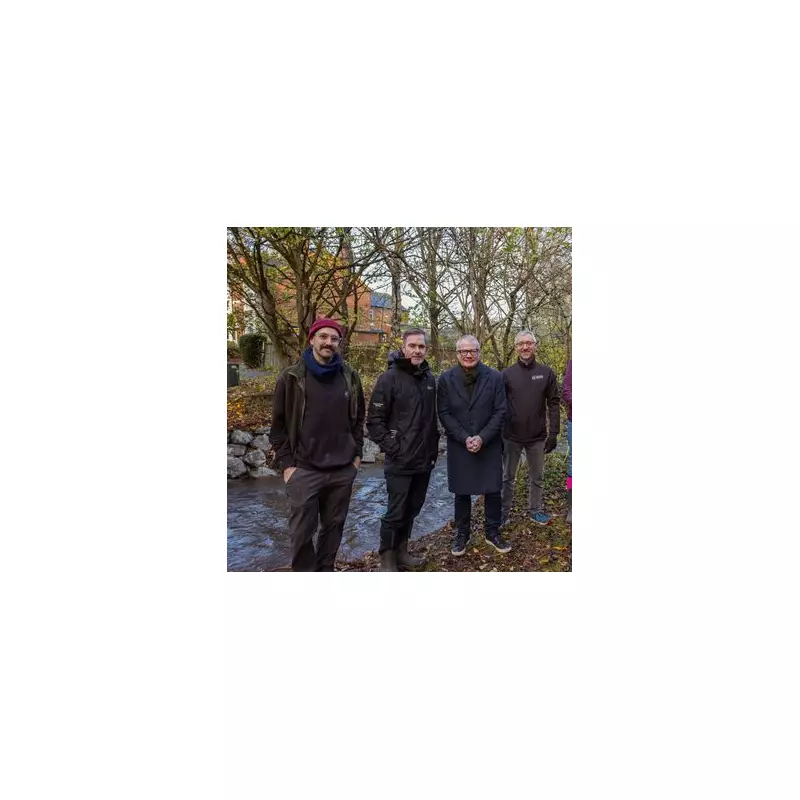
West Midlands Mayor Richard Parker launched the strategy during a visit to a river restoration project on the River Rea in Birmingham. He emphasised the unique character of the region's landscape, stating, "Our region has one of the country's most distinctive landscapes, with a unique mosaic of industrial heritage, iconic canals, vibrant urban centres, parks, rivers, nature reserves and millions of trees."
He highlighted beloved spaces like Sutton Park, Saltwells Nature Reserve, and Sandwell Valley as the "heart and the lungs of our towns and cities", underlining their role in community health and wellbeing. The Mayor added that treasuring these natural assets is key to driving a "more prosperous, healthier, and more attractive West Midlands."
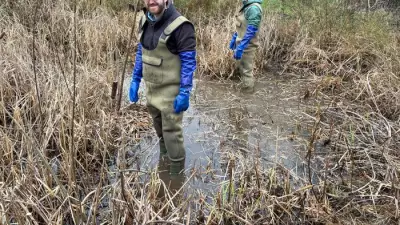
The River Rea project itself, led by the Birmingham and Black Country Wildlife Trust in partnership with the Environment Agency, involves 're-naturalising' the waterway. This work will help prevent flooding, boost local wildlife, and has the long-term goal of reintroducing the native brown trout to the river.
Funding and Future Projects
To power this green revolution, the West Midlands Nature Investment Hub is set to go live next year. This platform will support the Mayor's plan to direct up to £100 million of combined private and public sector investment into hundreds of environmental projects across the region.
The WMCA has already demonstrated its commitment by providing £1.6 million to support over 50 community-led environmental projects. This initial investment has delivered tangible results, including:
- Improved access to green space for more than 500,000 residents.
- Restoration of 245,000 square metres of wildlife habitats (an area equivalent to 35 football pitches).
- The creation of 260 jobs and opportunities for local people to learn valuable green skills.
The overarching strategy aims to ensure the region's natural spaces not only survive but thrive for generations to come, helping communities adapt to climate change while fostering a new generation of green employment.