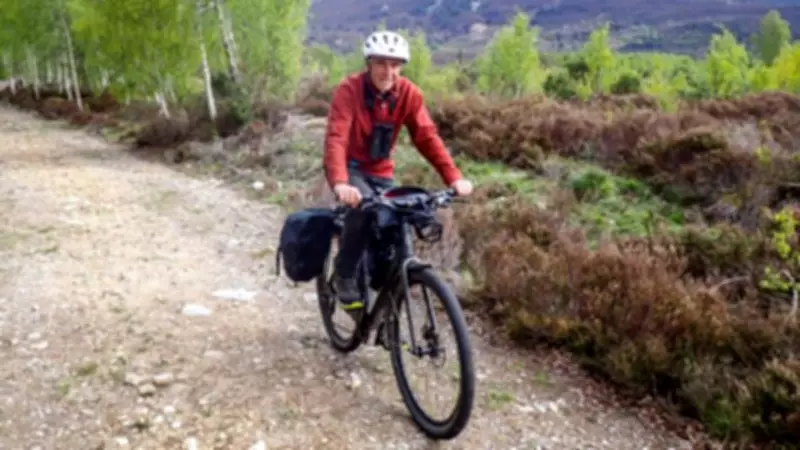
A dedicated cyclist from the Highlands is embarking on an adventurous 500-mile journey driven solely by leg power. This outdoor enthusiast aims to identify every native butterfly species in the local region this summer.
The challenging eco-expedition is being undertaken by 69-year-old Pete Moore from Strathspey. He hopes to spot 29 resident species, including one specific insect he has never witnessed before in the UK. The former nature reserve warden is currently the regional chairman of Butterfly Conservation and is raising vital funds for the organisation. He also aims to highlight environmental shifts, as cooler Scottish habitats face significant risks from global warming.
Changing butterfly patterns in Scotland
Over the last decade, both the Gatekeeper and White-letter Hairstreak have been spotted in Scotland for the first time. Meanwhile, the Comma butterfly has regularly appeared across northern areas as climates alter.

Pete lives in Grantown-on-Spey alongside his wife Hilary, who works as the official butterfly recorder for East Inverness-shire. He explained that this lengthy trek perfectly combines his twin lifelong interests.
Combining cycling and butterfly spotting
He said: "I'm a keen cyclist, I'm super into butterflies and moths, and last year I discovered 'bike packing' - I would take my bike up into the hills with a moth trap, run it in the middle of nowhere and cycle home, and I absolutely loved doing that. This year, wanting to do more of it, I came up with the idea of cycling from home to see all the regular species of Highland butterflies."
"I then refined it a bit and decided that I would only travel on foot or by bike from home. It's so glorious to be cycling through an open moorland and hearing birdsong - and if you think you hear something really interesting, you can just screech to a halt - you don't need to find a layby."
The cyclist recorded his first discovery on March 31, near his hometown, when he spotted a colourful peacock. He successfully logged another 10 varieties by May 15, though upcoming searches will prove much tougher.
Challenging species to find
"The awkward ones are the Grayling, because I need to go to the coast and that will be a 70-mile round trip, then the Mountain Ringlet will be about a 130-mile round trip, and the Chequered Skipper will probably be similar."
As an experienced researcher, Pete has encountered most of these insects nationwide previously, except for a single beautiful creature. The magnificent Marsh Fritillary features bright orange-and-black wings that shimmer brilliantly when caught in the sunshine.
The insect's population has dropped by 43% since 1985 due to habitat loss. It now survives in only a handful of British locations, predominantly along the damp western coast of Scotland.
Elusive Marsh Fritillary
"The Marsh Fritillary is definitely the most challenging because it's quite elusive in Highlands and I'll have to go to the West Coast to get it - that will be approximately a 250-mile round trip: I'm reckoning it's going to take probably nine days in total - but I am hoping to pick up the Chequered Skipper on the way."
Pete has set a strict deadline to complete his massive wildlife search before autumn arrives. Tragically, many of these creatures are facing their own strict deadlines due to pollution and human activity.
Climate change concerns
"Mountain Ringlet, there's a lot of concern about because it's a cool-adapted species: it's living pretty high up in Scotland, and if the climate warms up, it can't go much further north or much higher in altitude, so it won't be able to escape."
"It is exciting to see new species in Scotland — 10 years ago you wouldn't have seen a Comma in the Highlands, and now they're regular, but of course it's tainted by the knowledge that the reason you're starting to see them now is because it is getting warmer because of man-made climate change, and not all species will benefit. I want to help Butterfly Conservation do what it can to limit that damage."