Hinkley Point C's Innovative 'Fish Disco' System Delivers Outstanding Results
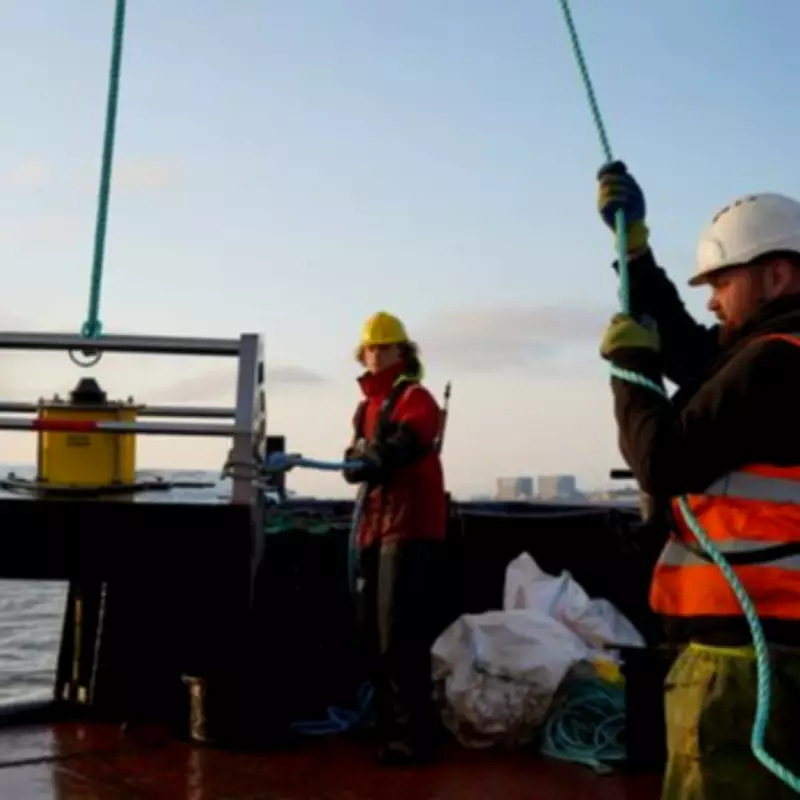
Scientists from Swansea University have declared the innovative 'fish disco' system deployed at Hinkley Point C nuclear power station in Somerset to be highly effective in protecting marine life. This groundbreaking ultrasound technology, developed by Devon-based fisheries conservation experts Fishtek Marine, has demonstrated remarkable success during extensive sea trials.
How the Underwater Sound System Works
The system operates through a network of underwater speakers that emit specific sounds designed to deter fish from approaching the power station's cooling water intake pipes in the Severn Estuary. Unlike previous proposals that required more than 250 loudspeakers, this more compact solution can be deployed and maintained without the need for divers, representing a significant advancement in marine protection technology.
Impressive Trial Results and Environmental Impact
According to detailed testing conducted by Swansea University researchers, the acoustic deterrent system has shown dramatic results. When the system was activated, only one tagged twait shad fish approached within 30 meters of the intake heads, compared to 14 when the system was turned off. Dr David Clarke, fisheries scientist and marine ecologist at Swansea University, described the early findings as very encouraging, stating clearly that the system is working.

Chris Fayers, head of environment at Hinkley Point C, emphasized the broader implications: "The successful testing of the acoustic fish deterrent is good news for the environment and for communities and farmers up and down the Severn. Because the system works even better than we had hoped, it means we can meet all of our planning obligations and should not need to create 900 acres of saltmarsh as environmental compensation."
Significant Cost Savings and Global Potential
The 'fish disco' represents one of three separate protection systems being implemented at Hinkley Point C, with the overall fish protection program costing developer EDF approximately £700 million. The system's effectiveness means the nuclear plant may avoid additional environmental compensation measures that were previously anticipated.
Pete Kibel, managing director of Fishtek Marine, highlighted the global potential of their innovation: "We have now developed a highly effective system that will protect fish in the Severn Estuary and potentially be an option for many more power stations throughout the world."
Broader Context of Hinkley Point C Project
Hinkley Point C, Britain's newest nuclear power station scheduled to open by 2031, is designed to provide zero-carbon electricity to approximately six million UK homes. The project has faced significant challenges including cost overruns and delays since receiving government approval in 2016. The successful implementation of the fish protection system represents a positive development in the plant's environmental management strategy.
The research findings will be submitted for regulatory consideration and approval later this year as part of the formal application for system deployment. Continued testing throughout 2026 aims to ensure the power station meets all planning obligations regarding fish protection without requiring further compensation measures.