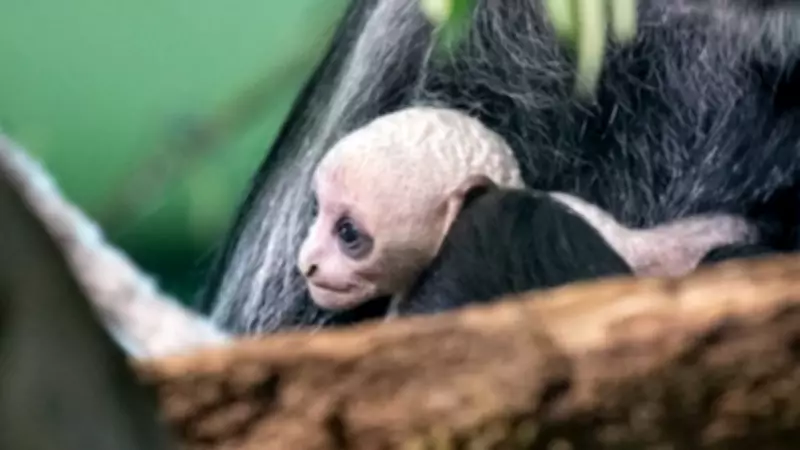
Paignton Zoo has heralded a remarkable start to 2026 with the arrival of two endangered king colobus monkeys, marking a rare double birth that underscores the institution's commitment to global conservation efforts. The latest infant was born in the early hours of Sunday, February 1, to 23-year-old mother Ivy, joining another young king colobus named Limba who arrived last autumn. This event represents the zoo's first birth of the year and a vital contribution to international species preservation initiatives.
A Conservation Milestone Amidst Redevelopment
The births coincide with a period of significant transformation for Paignton Zoo and its sister site, Newquay Zoo, both now under new ownership by Libéma. With construction underway and new exhibits in the pipeline, these arrivals signal an auspicious beginning to a year of change. While much of the development remains behind the scenes, visitors can already observe preliminary improvements, with enhanced facilities and novel animal habitats scheduled for later in 2024.
Endangered Status and Breeding Programmes
King colobus monkeys are classified as Endangered, with wild populations in West Africa facing severe threats from habitat loss due to agricultural expansion, urban settlement, and resource exploitation. European zoos collaborate through meticulously managed breeding programmes to maintain genetically diverse and healthy populations, each birth being carefully planned and monitored to support the species' long-term survival.

Nadia Gould, team leader of mammals at Paignton Zoo, expressed pride in participating in these conservation efforts. "We are incredibly proud to be part of a wider breeding programme that helps protect species like the king colobus," she remarked. "These births result from careful planning and years of collaboration between zoos, all aimed at safeguarding the future of these animals."
Family Dynamics and Developmental Changes
The newborn, currently visible clinging to Ivy in the Monkey Heights exhibit, boasts a pure white coat typical of king colobus infants, making it easily distinguishable. As these monkeys mature, their colouring gradually transitions to the distinctive black-and-white markings characteristic of adults. Limba, now three months old, has already undergone this striking transformation, resembling a miniature adult with dark fur and a white-grey cape, and her playful demeanour continues to captivate zoo visitors.
Ivy is also the grandmother to Limba, born to her daughter Lola in October, illustrating a common primate pattern where multiple generations raise offspring simultaneously. Both infants were sired by Limbali, an unrelated male introduced as part of the breeding programme, who passed away shortly before Limba's birth, adding a poignant note to these recent arrivals.
Enhanced Visitor Experience and Educational Opportunities
Monkey Heights now hosts three infants in total, including Koidu, a Diana monkey born last summer and affectionately dubbed the zoo's "miracle baby." Nadia Gould highlighted the positive impact of this baby boom, stating, "Having three babies in Monkey Heights at the same time has brought such a lovely energy to the zoo. Seeing visitors' reactions when they spot them is always a highlight, and it provides an excellent opportunity to discuss the endangered status of these species and the importance of breeding programmes."
This series of births not only enriches the zoo's animal family but also enhances educational outreach, allowing staff to engage the public on critical conservation issues while showcasing the tangible results of collaborative breeding efforts.