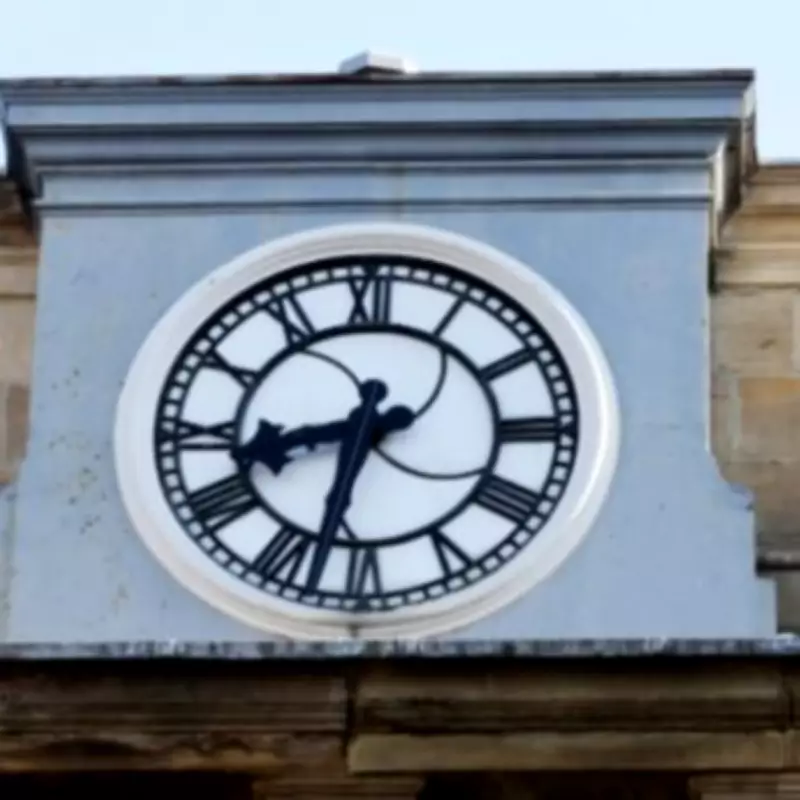
Clocks Changing on Sunday Could Cost UK Households £340 in Missed Savings
Households across the United Kingdom are being urged to take immediate action as the clocks spring forward this Sunday, March 29, 2026. Industry experts have issued a stark warning that failing to adjust daily routines could result in missing out on significant savings, potentially costing families hundreds of pounds annually.
Urgent Call to Assess Household Habits
The shift to British Summer Time, also known as Daylight Saving Time, means that households should critically evaluate their daily habits. Simple oversights, such as not updating thermostats or maintaining lengthy showers, could quietly add substantial amounts to yearly expenses. According to energy efficiency specialists, combined savings from minor adjustments could exceed £340 per year.
Expert Advice on Heating Adjustments
Stephen Hankinson, an energy efficiency specialist at Electric Radiators Direct, emphasized the importance of checking thermostats promptly after the clock change. "It's crucial to verify your thermostat settings as soon as possible after the clocks spring forward on March 29," Mr. Hankinson advised. "For non-digital thermostats, manual time adjustments are necessary to ensure heating operates at desired times."

He further explained that households concerned about cooler early mornings can still achieve savings without turning heating off completely. "Reducing your heating temperature by just 3°C can significantly cut energy bills," he noted. Based on current average usage, decreasing the temperature from 21°C to 18°C could yield annual savings of over £270.
Shower Time Recommendations
In addition to heating adjustments, British Gas recommends adhering to a four-minute shower rule to further reduce costs. The company states that limiting shower time to four minutes could save the average household up to £70 each year. This simple change, when combined with thermostat adjustments, contributes to the total potential savings of £340.
Timing and Context of the Clock Change
This year, the clock change occurs at 01:00 GMT on March 29, 2026, marking the transition to British Summer Time. The spring equinox took place on March 20, and daylight will continue to increase until the summer solstice on June 21. Households are encouraged to use this period of longer daylight to implement energy-saving measures and avoid unnecessary financial strain.
By proactively managing heating and water usage, UK families can mitigate the hidden costs associated with the seasonal time adjustment and secure substantial annual savings.