Ofgem Announces Major Reduction in Energy Price Cap
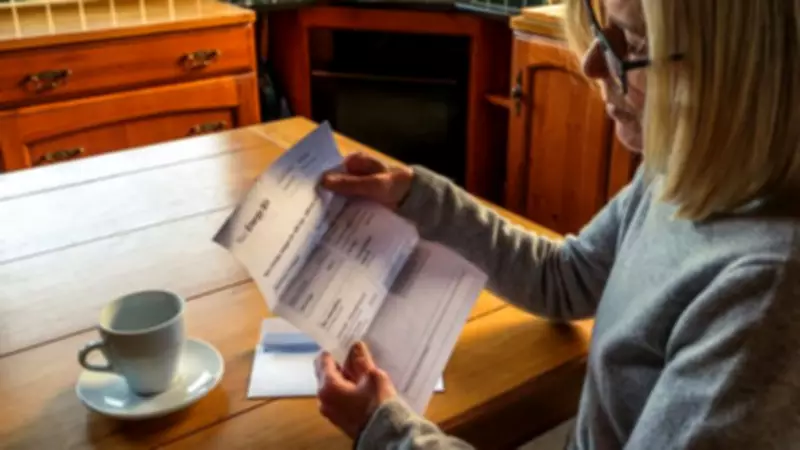
Household energy bills are set to decrease by approximately 7% starting April 1, following a significant reduction in the energy price cap announced by Ofgem. The regulator confirmed that the cap will drop by £117, bringing the annual cost for a typical dual-fuel household paying by direct debit in England, Scotland, and Wales down to £1,641. This translates to roughly £10 less per month for the average home.
Drivers Behind the Price Cut
Tim Jarvis, director general of markets at Ofgem, explained that the reduction is primarily driven by lower policy costs and easing wholesale energy prices. "Today's announcement will be welcome news for many households," he said. "The price cap is a safety net and consumers who shop around could save even more by switching tariffs or choosing time-of-use deals."
Detailed Breakdown of Changes
Most of the reduction will be applied through lower unit prices for electricity rather than standing charges. The average price of gas will fall from 5.93p to 5.74p per kilowatt hour (kWh), while the daily standing charge will drop from 35.09p to 29.09p. For electricity, the average unit rate will decrease from 27.69p to 24.67p per kWh. However, the daily standing charge will rise from 54.75p to 57.21p.

Varied Savings and Consumer Advice
Ofgem warned households not to expect a flat £150 discount, as savings will depend on individual energy usage and tariff types. Ned Hammond, deputy director of customer policy at Energy UK, noted that "Households will experience different levels of benefit depending on their energy use, with some seeing higher savings and others much less than £150."
Emily Seymour, Which? energy editor, urged customers to check how the changes affect their unit prices. "Your exact savings will depend on your usage, so look out for communications from your supplier in the coming weeks," she advised.
Long-Term Outlook and Additional Context
Energy analysts Cornwall Insight indicated that the changes would reduce the cap by about £145 a year once VAT and pricing allowances are included, though rising network costs and volatile gas prices have offset some savings. The firm expects the price cap to remain relatively stable through 2026, with only a small rise forecast in July.
Simon Francis from the End Fuel Poverty Coalition cautioned consumers to look beyond headline figures. "Energy bills can be confusing and households should pay close attention to changes in unit costs and standing charges," he said. "Ofgem must also ensure tariffs are fair and do not disadvantage vulnerable customers."
Encouragement to Switch Tariffs
Households are being encouraged to review their tariff options and consider switching, as fixed deals last year were on average £115 cheaper than the price cap. The price cap limits how much suppliers can charge for unit rates and standing charges, meaning individual bills can be higher or lower than the cap figure.
This reduction follows a pledge by Chancellor Rachel Reeves to reduce average household bills by £150 from April by scrapping the Energy Company Obligation scheme. Ofgem highlighted that today's reduction means the cap is now more than £200 lower than a year ago.