As Storm Chandra brings severe weather conditions across the United Kingdom, leading energy supplier E.ON has issued vital guidance to help customers manage their energy consumption and reduce household bills during the ongoing cold snap.
Practical Support During Severe Weather
The timing of this advice is particularly relevant as much of the UK, including Birmingham and surrounding areas, experiences the impact of Storm Chandra, which has brought high winds and heavy rainfall to many regions. The Met Office has forecast significant weather disruptions, with particular emphasis on potential transport issues and flooding in specific areas.
Herefordshire and Shropshire have been identified as counties expected to experience the most severe effects of Storm Chandra between Monday afternoon and Tuesday morning, with temperatures remaining low across the country throughout this period.

Expert Guidance for Energy Efficiency
Phil Gilbert, E.ON Next's Director of Net Zero Delivery, emphasised the importance of energy management during colder months: "During the darker, colder months, energy use tends to increase, which can add extra financial pressure, but even small changes around the home can make a big difference. We want to help our customers stay in control of their energy use to lower costs and ease some of those worries."
He added: "While saving energy looks different for every household, our team of energy efficiency experts have created some practical tips anyone can use to save energy at home – from lowering your thermostat to replacing inefficient household appliances – to help reduce energy bills and brighten the winter months."
Six Essential Energy-Saving Strategies
Monitor Your Energy Consumption
Utilise smart meter technology to track your energy usage in real time through in-home displays and mobile applications. This approach enables better control over energy habits, potentially leading to reduced consumption and lower bills. Additionally, smart meters provide accurate billing without reliance on estimates.
Optimise Your Thermostat Settings
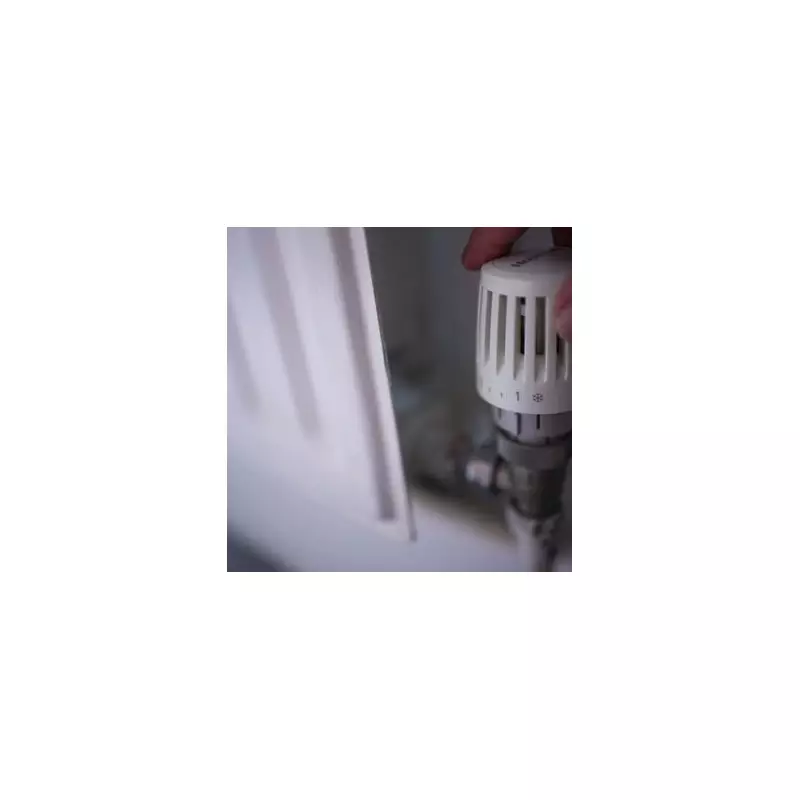
Set your thermostat to the lowest comfortable temperature, ideally between 18 and 21 degrees Celsius. Research indicates that reducing your thermostat by just one degree could save approximately 5% on annual energy bills, equating to around £90 for average households when adjusting from 22 to 21 degrees.
Adjust Hot Water Temperature
For households with combination boilers, consider lowering the flow temperature from the standard 65 degrees Celsius to 60 degrees. This adjustment maintains sufficient hot water for heating systems and showers while reducing heating costs.
Enhance Radiator Efficiency
Install reflector panels behind radiators to direct heat back into rooms, potentially reducing the need to increase thermostat settings. Alternatively, consider radiator fans that distribute warmth more evenly and efficiently throughout living spaces.
Implement Draught Proofing Measures
Apply draught excluders around doors, windows, letterboxes, and chimneys to prevent heat loss during cold weather. These simple installations help retain valuable warmth within your home.
Evaluate Appliance Efficiency
Older household appliances, including refrigerators, freezers, washing machines, and dishwashers, often consume significantly more energy than modern equivalents. Faulty appliances may further increase energy usage. E.ON Next's Energy Fund may provide replacement options for eligible customers with inefficient or malfunctioning equipment.
These practical recommendations from E.ON aim to support UK households through challenging weather conditions while promoting energy efficiency and financial savings during the winter period.