UK Households Face Rising Gas Hob Costs as New Ofgem Price Cap Takes Effect
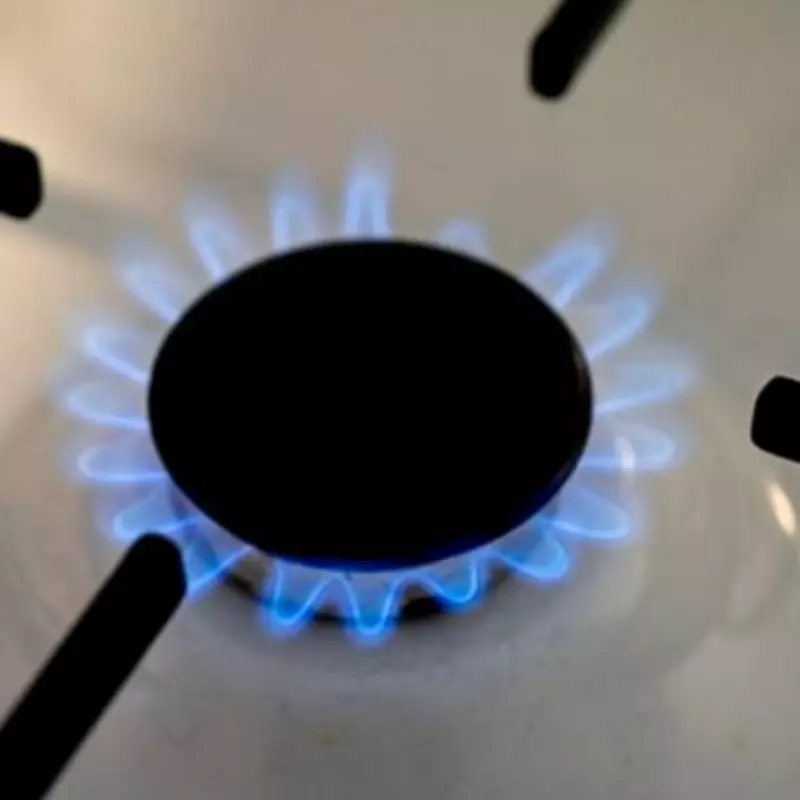
A warning has been issued for UK households using gas hobs, with rising costs set to impact budgets from Wednesday, April 1. This increase coincides with the implementation of a new Ofgem price cap by the regulator, marking a significant shift in energy expenses for many families.
Comparing Gas and Induction Cooking Costs
On paper, a unit of gas measured in kilowatt-hours remains cheaper than a unit of electricity. However, the monthly spending gap has narrowed considerably due to the superior efficiency and speed of induction cooking technology.
For a typical UK family of four, preparing dinner on a gas hob costs approximately £35 to £40 per month. In contrast, using induction on a standard electricity tariff ranges from £38 to £42 monthly. Despite the similar base costs, induction offers substantial energy savings through its higher efficiency and faster cooking times.

Potential Savings with Induction Alternatives
Switching to induction cooking can reduce energy usage for meal preparation by 30 to 40 percent when combined with off-peak electricity or solar storage systems. This efficiency gain translates to potential monthly savings of £10 to £15 for households, making it an attractive option amid rising energy prices.
Wholesale Gas Prices Reach Twelve-Month High
The timing of this price cap change is particularly notable as wholesale gas prices have surged to a twelve-month peak in recent weeks. Market analysts attribute this spike to geopolitical tensions, including the US-Israeli conflict with Iran, which has driven costs upward significantly.
Dr Craig Lowrey, principal consultant at Cornwall Insight, commented on the situation. “Looking at the April cap, the role of wholesale prices as a determinant of bills had eased given the impacts of policy costs and network costs,” he stated.
“However, this latest forecast puts the role of wholesale markets firmly back in the spotlight and illustrates how exposed UK households remain to international market movements.”
Dr Lowrey added a note of caution, “While the rise is eye-catching, any immediate concern should be tempered. We are still early in the assessment period for the July cap, and what happens in the energy markets over the next three months will be the key factor, rather than this spike alone.”
Energy Tariff Recommendations for Consumers
Households on standard variable tariff deals could be wasting over £200 annually by not switching to more competitive options. Currently, some of the most affordable tariffs available include:
- The E.ON Next Fixed 15 m v7 tariff, with an average annual cost of £1,533.
- Outfox Energy’s one-year Fixed Dual Fuel tariff, quoted at approximately £1,509 per year.
These alternatives offer potential savings for consumers looking to mitigate the impact of rising energy costs associated with gas hobs and broader market increases.