UK Government Criticized for 'Keep Calm' Energy Message Amid Supply Crisis
UK households are being urged to cut down on energy usage and consume less, despite the Labour Party government's "keep calm" messaging during the ongoing Middle East war. This advice comes as experts warn of significant global supply disruptions.
Government Stance and Expert Criticism
James Murray, the chief secretary to the Treasury, stated on BBC Radio 4's Today programme, "I think people should go about their lives as normal, knowing that the government is taking action to bring energy bills down." However, this approach has faced sharp criticism from energy and climate experts.
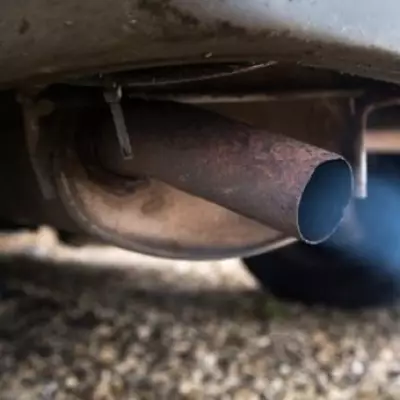
Andrew Sissons, director of the climate programme at research foundation Nesta, argues, "It's the wrong message." He explains, "The reality is that the global supply of oil and gas is going to be down by maybe 20%. It's a supply crisis, which means everybody needs to consume less."

Call for Efficiency and Clean Energy Transition
Sissons emphasizes that the government should instead promote two key actions:
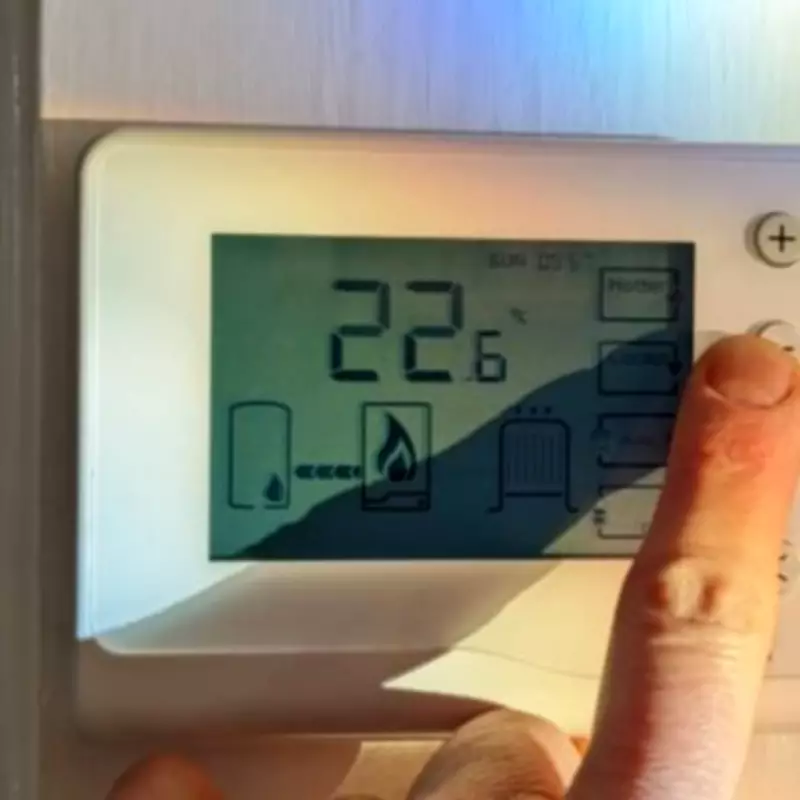
- Be more efficient wherever possible: Save energy without compromising comfort or travel needs.
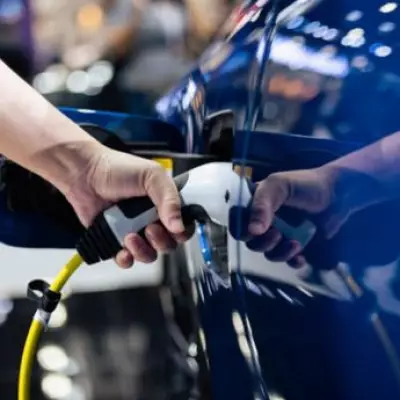
- Switch to clean electricity: Adopt heat pumps and electric vehicles, aligning with government goals for renewable energy.
Jill Rutter of the Institute for Government thinktank, a former senior Treasury civil servant, suggests a more balanced message: "Keep calm, but you can probably find some quite useful savings." She adds, "There are things you can do to manage down your consumption."
Energy Bill Relief and Policy Changes
Despite the crisis, some relief is on the horizon. Ofgem's quarterly cap will drop by 7% from April, reducing the average combined gas and electricity bill in Great Britain to £1,641 per year for direct debit payers, down from £1,758. This cut follows the November budget, where the chancellor shifted some green energy costs from household bills to general taxation and scrapped a billpayer-funded energy efficiency scheme.
The situation highlights a tension between government reassurances and the urgent need for reduced consumption amid global supply constraints. Households are caught between conflicting messages, with experts advocating for proactive energy-saving measures and a faster transition to sustainable alternatives.