Experts Identify March 29 as Optimal Date to Switch Off UK Heating
Property and energy efficiency specialists have pinpointed March 29 as the ideal date for households across the United Kingdom to consider turning off their heating systems for the spring and summer seasons. This recommendation coincides with the annual clock change when daylight saving time begins, marking a significant shift in weather patterns and household energy needs.
Why Late March Marks the Heating Transition Point
Robin Antill, a respected property expert at Leisure Buildings, explains that by late March, environmental conditions naturally reduce heating requirements. "Average daytime temperatures typically rise to 14-15°C during this period," Antill notes. "Daylight hours have noticeably increased, and homes begin retaining more natural warmth from sunlight. Think of March 29 as the point where you can start lowering your reliance on artificial heating systems."
Antill emphasizes that this date serves as a guideline rather than a strict rule, acknowledging the UK's diverse climate variations. "Conditions differ significantly across regions," he clarifies. "Residents in Cornwall experience milder weather much earlier than those living in the Scottish Highlands, so individual circumstances should always be considered."

Substantial Energy Savings Through Thermostat Adjustments
Stephen Hankinson, an energy efficiency specialist at Electric Radiators Direct, highlights the financial benefits of timely heating adjustments. "Households that adjust their thermostats ahead of daylight-saving time on March 29 could save over £270 annually," Hankinson reveals. "It's crucial to check your thermostat settings immediately after the clocks spring forward."
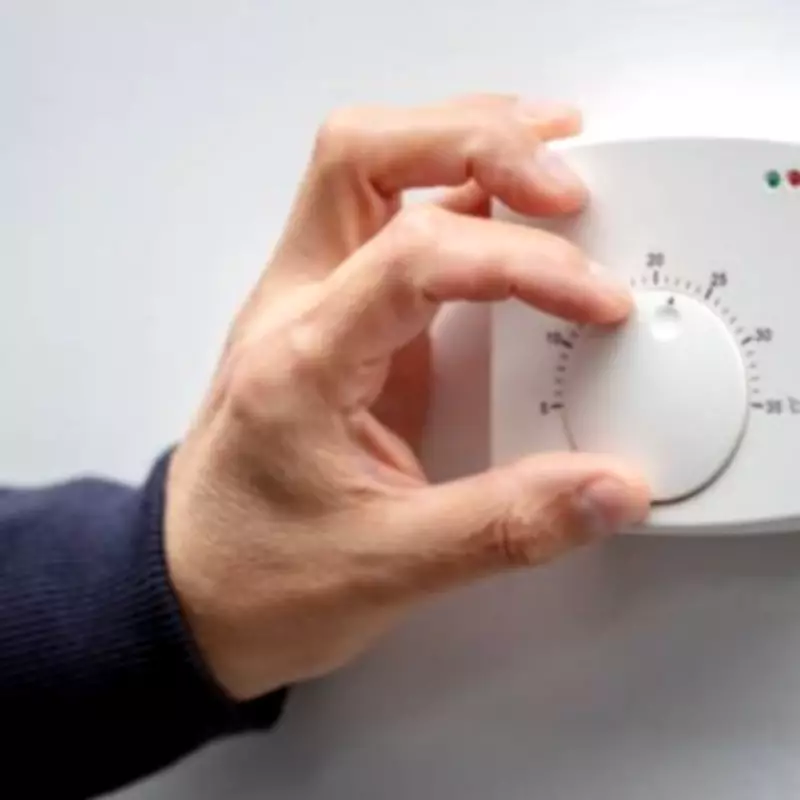
Hankinson provides practical guidance for different thermostat types: "Older, non-digital thermostats require manual time adjustments to ensure heating activates at desired periods. Most modern thermostats feature smart capabilities that automatically adjust, but verification remains advisable."
The energy expert also recommends temperature modifications for those hesitant about completely disabling heating systems. "If early morning chill remains a concern, simply reducing your heating temperature by 3°C can generate significant energy savings," Hankinson advises. "Based on current average usage figures, decreasing from 21°C to 18°C could indeed save households more than £270 per year."
Preparing Your Home for the Heating Transition
Proper home insulation plays a critical role in maximizing energy efficiency during the heating-off period. Robin Antill emphasizes this point: "Heat naturally rises, making poorly insulated roofs one of the primary sources of heat loss in residential properties. Before switching heating systems off completely, homeowners should inspect loft insulation levels and seal any detectable gaps. These measures substantially impact how long natural warmth is preserved within living spaces."
Both experts agree that while British weather maintains its characteristic unpredictability, spring generally brings more frequent warmer days, reducing daily heating necessities. Households are encouraged to monitor their heating requirements closely as temperatures gradually increase throughout April and May.