State Pensioners Urged to Remove Three Household Items Adding £117 to Energy Bills
Retirees across the country are being advised to take immediate action to reduce their energy consumption ahead of significant changes to the Ofgem price cap scheduled for next week. Experts have identified three common household items that could be silently adding a substantial £117 to annual energy bills.
The Hidden Energy Drainers in Your Home
According to Stephen Day, Home Energy Expert at iHeat, many households are unaware that everyday appliances continue to draw power even when not in active use. "Most people have no idea that TVs, gaming consoles, and even kitchen appliances keep drawing power when they're not in use," Day explained. "That little red standby light on your TV or the digital clock on a microwave might seem harmless, but over a year, it adds up fast."
The three primary culprits identified by energy specialists are:

- Televisions: Left on standby mode, a single television could cost between £5 and £10 annually in wasted energy, depending on the specific model and usage patterns.
- Gaming Consoles: Devices like the PlayStation 5 can add up to £8 per year simply by remaining idle while connected to power sources.
- Kitchen Appliances: Microwaves with digital displays, coffee machines, and even some kettles quietly consume energy around the clock, contributing significantly to overall household consumption.
The Cumulative Cost of Standby Power
Stephen Day emphasized that the real financial impact comes from multiple devices operating simultaneously. "It's not just about one device," Day added. "It's the fact that you've got multiple appliances doing this, all day, every day. That's where the real cost comes in."
Beyond the three main items, other common energy vampires include:
- Phone, laptop, and tablet chargers that continue drawing power even when not actively charging devices
- Smart speakers and Wi-Fi routers that maintain constant connections
- Smart plugs and other connected home devices that remain in low-power modes
Energy Bill Forecast and Government Measures
The warning comes at a critical time for energy consumers. While bills are expected to decrease slightly from April due to measures implemented by Labour Party Chancellor Rachel Reeves in her autumn budget—including shifting some green initiative costs to general taxation—experts forecast a subsequent rise to nearly £2,000 in July.
This anticipated increase coincides with the next quarterly energy price cap adjustment, which is determined based on prevailing market prices and wholesale energy costs.
Practical Energy-Saving Advice for Retirees
Stephen Day offered straightforward recommendations for state pensioners looking to reduce their energy expenditure:
"Start with the basics—switch off appliances at the socket when you're not using them, and unplug chargers once your devices are fully charged," he advised. Additional measures include:
- Using power strips with switches to control multiple devices simultaneously
- Checking appliance manuals for optimal energy-saving settings
- Considering energy-efficient replacements for older, power-hungry devices
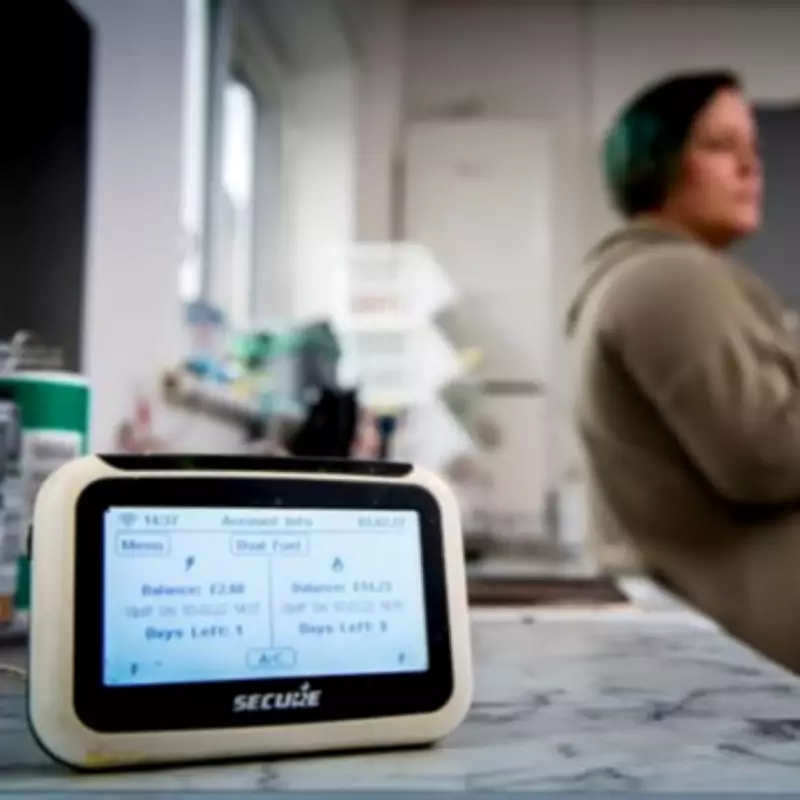
- Regularly reviewing energy consumption through smart meters or monitoring tools
The combined savings from these simple behavioral changes could make a meaningful difference for retirees managing fixed incomes, particularly as energy market fluctuations continue to impact household budgets nationwide.