UK Households to Receive Payments for Strategic Electricity Use in Grid Overhaul
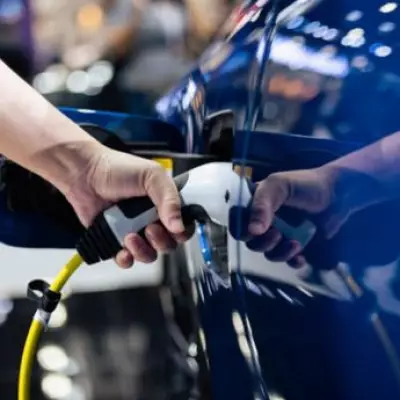
British homeowners are set to be encouraged to run washing machines, charge electric vehicles, and power up appliances during weekends under a significant transformation of the nation's energy infrastructure. This initiative represents a major shift in how electricity consumption is managed across the United Kingdom.
Financial Incentives for Increased Consumption During Surplus Periods
Families across the UK could increasingly be offered discounted or even free electricity during times when the national grid experiences a surplus of power generation. This innovative approach aims to balance supply and demand more effectively while providing tangible benefits to consumers.
Simultaneously, there will be continued incentives for households to reduce their electricity usage during peak demand periods. This dual strategy is designed to spread power consumption more evenly throughout the day and week, alleviating strain on the energy network.

Addressing Energy Bill Concerns and System Pressures
The proposals were unveiled amid growing concerns about anticipated increases in energy bills expected this winter, partly due to ongoing geopolitical tensions in the Middle East affecting global energy markets. The National Energy System Operator (NESO) has confirmed these changes, stating that consumers will now be rewarded not only for reducing consumption but also for increasing usage during optimal periods.
This development marks a substantial expansion of the existing Demand Flexibility Service (DFS), a scheme already utilized by millions of households to earn financial rewards by decreasing electricity use during high-demand hours. NESO announced in a statement: "Big changes are coming to our Demand Flexibility Service. For the first time users can take part by increasing or reducing their electricity usage at certain times. That means more opportunities to be rewarded for strategic electricity use!"
Evolution of the Demand Flexibility Service
The DFS was originally implemented to relieve pressure on the national grid during periods of exceptionally high demand, typically occurring on weekday evenings when households are cooking meals, heating homes, and operating various appliances. Under this established scheme, energy suppliers have invited customers to participate in events where they receive compensation for reducing consumption during peak times.
Participants have historically received bill credits, direct cash payments, or reward points, with potential savings reaching several pounds per event. Since its inception, more than 2.46 million households and businesses have enrolled in the program, demonstrating significant public engagement with demand-side flexibility initiatives.
Strategic Benefits for Consumers and the Energy System
Rebecca Beresford, Director of Markets at NESO, explained the rationale behind the expanded approach: "There are certain times when the GB system is fortunate to have plentiful supplies of low carbon electricity. Enabling consumers to benefit by increasing their electricity use at those times is a critical step to making demand side flexibility work for consumers and the system."
This strategic shift recognizes that the energy grid occasionally experiences periods of excess renewable generation, particularly from wind and solar sources. By encouraging consumption during these windows, the system can better utilize clean energy that might otherwise go to waste while providing financial advantages to participating households.
The expanded program represents a sophisticated approach to energy management that acknowledges both supply and demand dynamics. Households will now have more opportunities to engage with the energy system actively, potentially lowering their overall energy costs while contributing to grid stability and efficient resource utilization.