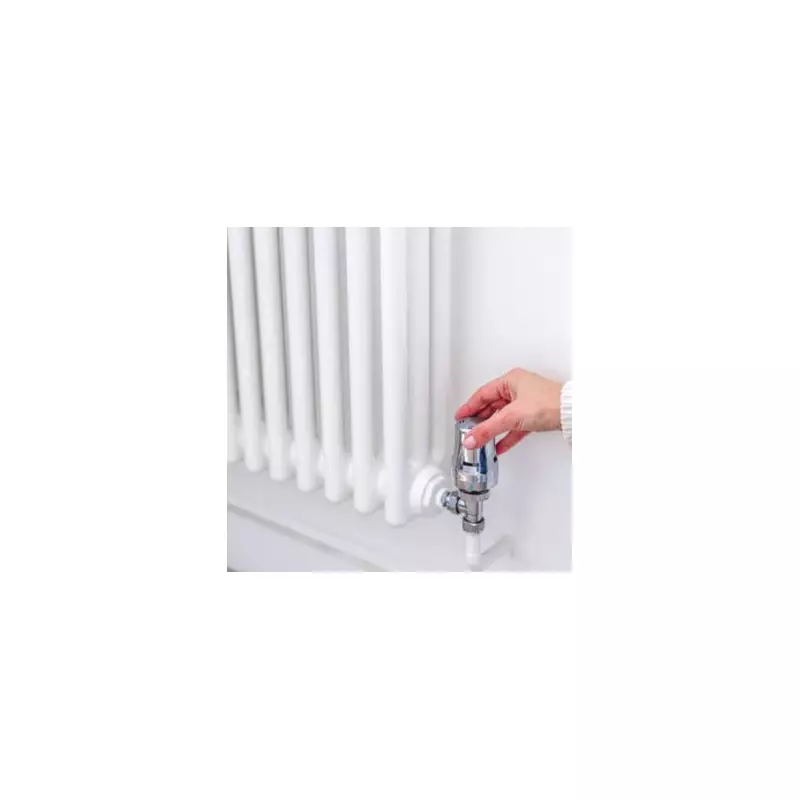
Households across the UK are being urged to reconsider a common winter practice that could be damaging their health and wallets. Experts have issued a stark warning against drying wet laundry on radiators during the cold December month.
Why Your Radiator Hates Wet Laundry
Placing damp clothes on a radiator fundamentally prevents it from doing its primary job: heating your room. Specialists at Only Radiators explain that the wet clothing acts like a plug, soaking up a huge amount of heat while leaving the room cold.
Your boiler then has to work excessively hard to heat the space using a radiator whose convection cycle is completely blocked. This renders the heating system completely inefficient, leading to significantly higher energy consumption. As the experts bluntly put it, this habit is "costing you mega-bucks" and your central heating system "hates it".

A Hidden Health Hazard in Your Home
The problems extend far beyond your energy bill. Research shows that drying clothes on radiators or on frames near them can raise moisture levels inside your home by up to 30%.
This creates the perfect damp environment for mould and mildew to thrive. One particular mould spore of concern is aspergillus fumigatus, which can lead to potentially fatal lung infections in vulnerable individuals.
Prolonged exposure to mould spores can irritate the respiratory system and worsen conditions like asthma and eczema. The increased humidity often leads to condensation on windows and walls, which can, over time, cause costly damage to surfaces and require expensive repairs.
Safer and More Efficient Alternatives
While the convenience of radiator drying is tempting, experts strongly advise against it due to the combined health and financial risks. Radiators are designed for room heating, not as efficient clothes dryers.
Instead, they recommend considering these better options:
- Use dedicated towel rail radiators, which are designed for better airflow.
- Employ traditional freestanding drying racks placed in well-ventilated areas.
- Ensure good air circulation in the drying area to speed up evaporation and reduce moisture buildup.
These methods provide more efficient drying without compromising your home's air quality, your health, or your bank balance, especially in the run-up to Christmas when extra heating costs bite.