England's Simpler Recycling Scheme Launches Tomorrow with Nationwide Standardization
The Labour Party government is implementing a major overhaul of waste collection systems across England, with the Simpler Recycling scheme officially launching on Tuesday, March 31, 2026. This initiative aims to eliminate the longstanding postcode lottery that has created confusion and inconsistency in recycling practices throughout the country.
Universal Waste Collection System with Four Distinct Containers
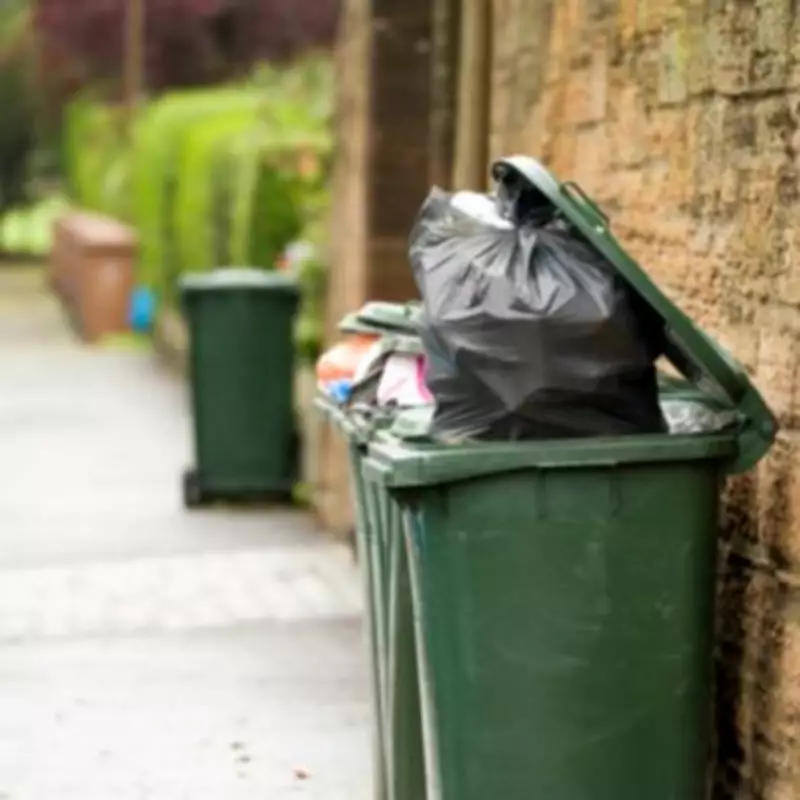
Under the new regulations, every household in England will receive four separate containers specifically designated for different categories of waste and recycling materials. The Department for Environment, Food and Rural Affairs has outlined that local councils must now collect specific waste types separately using these standardized containers.
"Citizens will be able to recycle the same materials across England, whether at home, work or school, and will no longer need to check what is accepted for recycling in their local area," explained a representative for the Simpler Recycling scheme. "A universal standard will ensure that everything that can be collected for household recycling is collected in every region."

Mandatory Separate Collection Categories
From March 31, 2026, waste collectors throughout England must collect the following types of waste separately from all households, including flats:
- Food and garden waste
- Paper and card
- All other dry recyclable materials (glass, metal and plastic, including cartons)
- Residual waste (non-recyclable waste sent for energy recovery or landfill)
Additionally, plastic film packaging and plastic bags will need to be collected with plastic recycling starting from March 31, 2027, providing a one-year transition period for this specific requirement.
Substantial Fines for Incorrect Recycling Practices
Households that fail to comply with the new recycling rules face significant financial penalties. Fines for incorrect use of recycling bins can reach up to £400, creating a strong incentive for proper waste segregation and disposal practices.
Prohibited Items in Recycling Streams
The Simpler Recycling scheme provides clear guidance about materials that should not be placed in recycling bins:
Glass Recycling Restrictions
You do not need to collect any glass not used as packaging, including:
- Candles and drinking glasses
- Flat glass and glass cookware
- Light bulbs, tubes, and microwave plates
- Mirrors, vases, and window glass
- Ceramics such as crockery
Metal Recycling Limitations
Metal items that should not be collected include:
- Laminated foil like pet food pouches and coffee pouches
- Electrical items and batteries
- General kitchenware like cutlery, pots, pans, and kettles
- Irons, pipes, and metal packaging that contained hazardous substances
Plastic Recycling Exclusions
Plastic materials that should not be placed in recycling bins include:
- Any plastic packaging or non-packaging items labelled as "compostable" or "biodegradable"
- Plastic bottles that contained white spirits, paints, engine oils, or antifreeze
- Bulky rigid plastics such as garden furniture, bins, and plastic toys
- Polystyrene packaging and polyvinyl chloride (PVC) packaging
Paper and Card Restrictions
Paper and card items that should not be recycled include:
- Food and drinks cartons made of fibre-based composite
- Absorbent hygiene products including nappies and period products
- Cotton wool, makeup pads, tissue, toilet paper, and wet wipes
Food and Garden Waste Guidelines
For food waste collection, plastic packaging or non-packaging items labelled as "compostable" or "biodegradable" should not be included, though caddy liners used to hold food waste can be collected. Garden waste exclusions include:

- Animal bedding and bulky waste including garden furniture
- Garden tools, plant pots, plastics, sand, and sawdust
- Stone, gravel, bricks, tea bags, and coffee grounds
- Branches and trees over certain sizes may need cutting according to local guidance
The Simpler Recycling scheme represents the most significant standardization of waste collection practices in England's history, designed to create consistency, reduce confusion, and improve recycling rates nationwide while imposing substantial penalties for non-compliance.