Midlands Expert Warns 'No Greenbelt Is Safe' After 115-Home Development Sets 'Worrying Precedent'
A wildlife charity and tree expert have issued a stark warning following a government planning inspectorate's controversial approval of 115 homes on greenbelt land in Walsall. The Birmingham and Black Country Wildlife Trust described the inspector's ruling for the Longwood Lane development as 'a real blow for biodiversity' that could have far-reaching consequences for protected green spaces across the region.
'An Insult to Local Communities'
Michael Glasson, a tree verifier for the Woodland Trust and Walsall resident, expressed grave concerns about the decision's implications. 'If this particular site can be built on, then any green belt site in Walsall could,' he stated. Glasson emphasized that the Longwood Lane location represents prime, untouched greenbelt containing four ancient trees and ten veteran trees, all within a designated Site of Local Importance to Nature Conservation (SLINC).
The developer, William Davis Home, proposed mitigating biodiversity loss through off-site credits at Buzzards Valley Nature Reserve in Tamworth. However, both Glasson and the Wildlife Trust strongly criticized this approach. 'Walsall's loss would be someone else's gain,' the Wildlife Trust declared. 'We do not wish to see the species-rich becoming richer at the expense of the species-poor becoming poorer.'

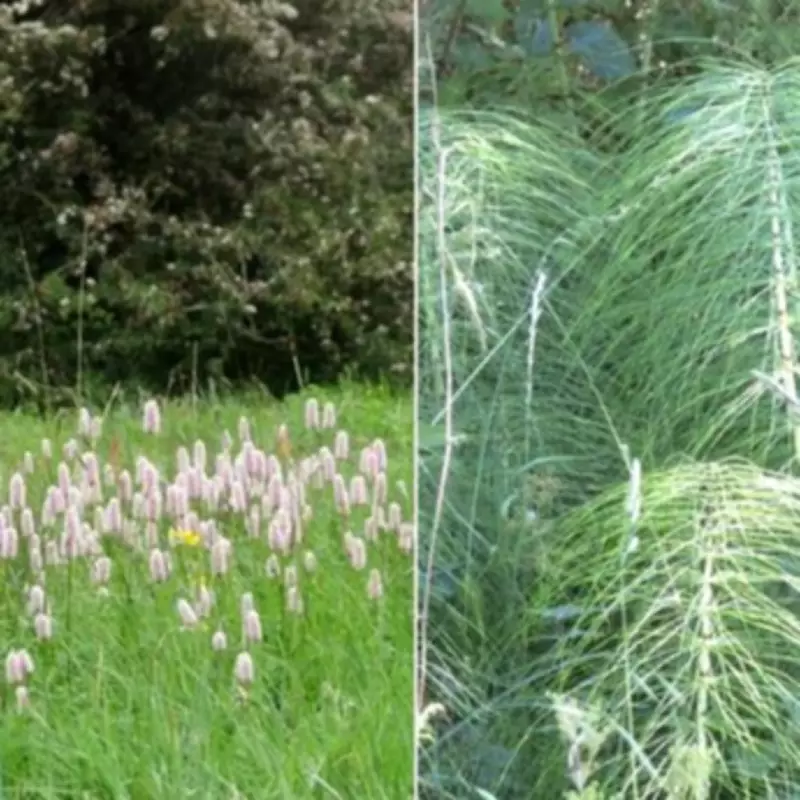
Glasson was particularly scathing about the compensation scheme: 'To compensate for the loss of wildlife, they'll give money to a private nature reserve in Tamworth. It is an insult. How does that help the people in Walsall?' He noted the site hosts locally rare plants like bistort and great horse tail, which are typically found only in fossils but maintain a colony at Longwood Lane.
A Dangerous Planning Precedent
The tree expert warned that the approval establishes a dangerous precedent for future developments. 'The really worrying precedent is that a developer can basically stick a pin in the map, anywhere in the green belt, and say this is grey belt—and chances are they will win,' Glasson explained. He expressed frustration that despite extensive community efforts opposing the development, the planning inspector could have made the decision much earlier, saving everyone significant time and resources.
Dr. Norman Dandy, Director of Nature Recovery at the Birmingham and Black Country Wildlife Trust, echoed these concerns, calling the decision 'a real blow for biodiversity in the Black Country.' He urged the government to take immediate action: 'National policy must ensure that everyone has an equal chance to access quality green space in their daily lives. We urge the Government to reverse the catastrophic decline of wildlife.'
Broader Implications for Greenbelt Protection
This case highlights growing tensions between development needs and environmental protection in the Midlands region. The approval comes amid government policies that have opened up greenbelt land for developers, raising questions about long-term biodiversity protection strategies. Wildlife organizations argue that off-site compensation schemes fail to address local ecological losses and community access to green spaces.
As development pressures continue across the West Midlands, experts warn that without stronger protections, more greenbelt sites could face similar threats. The Longwood Lane decision serves as a cautionary tale for communities and conservationists fighting to preserve vital natural habitats against expanding urban development.