Home Cooks Wasting Money on Wrong Cooking Oils, Expert Warns
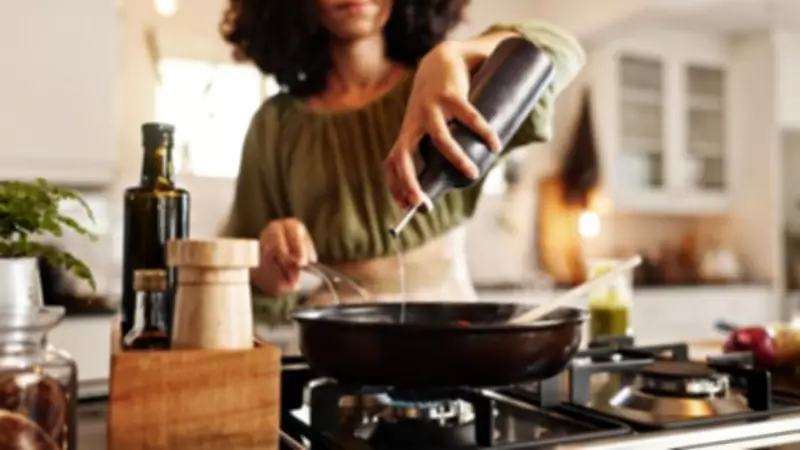
Home cooks may be squandering cash on pricey cooking oils and even spoiling the taste of their dishes simply by selecting the incorrect type for the task, according to a recipe specialist. This caution emerges as cooking oils, especially extra virgin olive oil, are increasingly regarded as premium kitchen components rather than everyday essentials.
The change in perception has grown particularly evident recently, after a £450 bottle of olive oil sold out swiftly at Selfridges, underscoring how what was once a basic pantry staple is now sometimes seen as a luxury product. Yet, despite escalating costs, experts note that many individuals still treat oils as a universal cooking ingredient without pondering how various types perform under distinct cooking conditions.
Why Oil Selection Matters
In truth, picking the appropriate oil can significantly impact flavour, texture, and even nutritional value. From roasting vegetables and sautéing to finishing salads or frying on the hob, oils are central to daily cooking—and opting for the wrong one could mean losing both taste and funds.

Mimi Morley, senior recipe development manager at meal kit company HelloFresh, asserts that comprehending how oils behave at different temperatures is crucial for achieving optimal kitchen results. She cautions that employing the wrong oil can drastically change a dish's outcome.
"Using the wrong cooking oil is like using a hammer to tighten a screw," she explained. "For instance, if you use a delicate extra virgin olive oil for a high-heat stir-fry, you aren't just losing the flavour—you can create a bitter, burnt taste that overpowers the dish."
She added that numerous home cooks are reluctant to cook at high temperatures due to splattering, but the problem often stems from using an oil that cannot endure high heat. "Consumers often stick to one oil they know and rarely think about which one is best for the dish they're cooking—and that's a common mistake," she said.
Best Oils for Different Cooking Methods
According to Morley, grasping the 'smoke point' of oils—the temperature at which they start to break down—is key to enhanced cooking.
High-Heat Cooking
For frying, roasting, or stir-frying, Morley advises using oils that can withstand high temperatures, such as:
- Rapeseed oil
- Light or refined olive oil
- Sunflower oil
- Ghee
- Avocado oil (for very high heat)
"These oils cope well with heat and have a fairly neutral flavour, meaning they won't overpower spices or other ingredients. They're also ideal when you want a golden, crispy finish," she noted.
Rapeseed oil can also be a smart nutritional pick. Morley describes it as a 'hidden gem', highlighting its low saturated fat content and richness in omega-3 fatty acids, which may support heart health.
Medium-Heat Cooking
For dishes cooked at moderate temperatures, Morley suggests butter or sesame oil, which can impart extra flavour. "Butter works well in this temperature range because it adds richness," she said.
Sesame oil, meanwhile, is often better utilised as a flavour enhancer rather than the primary cooking oil. "For Asian-inspired meals, it's best to add sesame oil towards the end of cooking. Adding it at the beginning in a very hot pan can destroy the delicate nutty flavour," Morley explained. Sesame oil also contains antioxidants like sesamol, linked to cell protection.
Low-Heat or No-Heat Cooking
When it comes to extra virgin olive oil, Morley says it's best reserved for finishing dishes or cold uses. "Extra virgin olive oil is unrefined and high-quality, which means its flavour and nutrients can be damaged by high heat," she stated.
"It's perfect drizzled over salads, used in vinaigrettes or added at the end of cooking where its peppery flavour can truly shine." However, she pointed out that a common myth about olive oil isn't wholly accurate.
"Despite what many people think, extra virgin olive oil can still be used at lower cooking temperatures, such as gentle sautéing. Using it this way helps retain its nutritional benefits, including polyphenols and vitamin E," she added.

The Importance of Proper Oil Choice
With the expense of some cooking oils climbing and premium bottles becoming more prevalent, experts emphasise that knowing how to use them correctly can aid home cooks in saving money while enhancing their meals. Selecting the right oil for the appropriate cooking method not only safeguards the dish's flavour but also helps maintain texture, nutrition, and value in the kitchen.