Post-Brexit Food Labelling Rules Threaten Iconic Snack Names
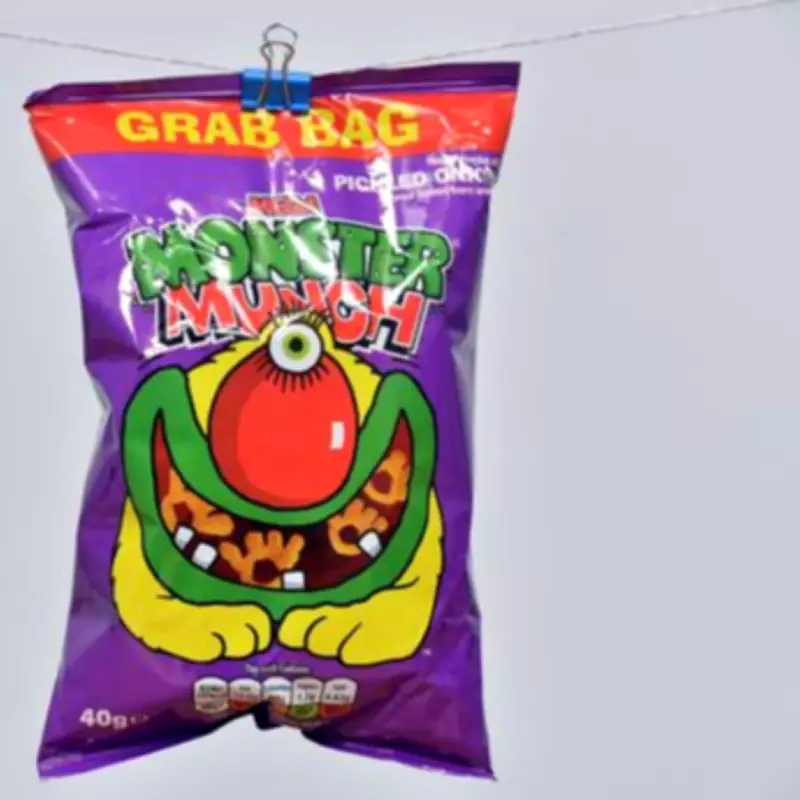
Beloved British snacks including Bacon Fries, Monster Munch, and Pot Noodle could be forced to undergo significant name changes due to new post-Brexit food labelling regulations. The rule changes, which are scheduled to come into force next year, specifically target vegetarian products that brand themselves with meaty descriptors.
Impact on Specific Products
Under the updated regulations, foods that market themselves as "meaty" while being vegetarian in composition may need to alter their branding to comply with EU food labelling standards. For instance, Chicken and Mushroom Pot Noodle and Roast Beef Monster Munch would violate these rules because their names suggest meat content despite being vegetarian options.
Similarly, Smiths Bacon Fries would face scrutiny and likely be required to remove any reference to bacon from its name, leading to a potential rebranding. However, products like Pot Noodle and Monster Munch might only need to adjust the description of their flavouring rather than undergoing a complete name overhaul.

Regulatory Background and Implementation
These laws are set to take effect in the coming year following an agreement on food and drink standards between Prime Minister Sir Keir Starmer and the European Union. The deal aims to harmonise labelling practices, but it has sparked controversy among consumers and industry stakeholders.
Joel Scott-Halkes, director of impact at the green-growth NGO WePlanet, expressed strong opposition to the changes. He stated, "After generations of enjoying beloved products like Smith’s Bacon Fries or Chicken and Mushroom Pot Noodles, we don’t need Brussels bureaucrats policing what we call them. It’s time for Starmer to intervene and save our snacks."
Government Response and Future Steps
Despite the concerns raised, the United Kingdom would need to seek permission from Brussels to make any exceptions once the agreement becomes law. A government spokesperson has dismissed the speculation, saying, "This is pure speculation," indicating that the full implications are not yet confirmed.
The potential name changes highlight the ongoing adjustments in the post-Brexit landscape, affecting not only trade and regulations but also everyday consumer products. As the implementation date approaches, further discussions and possible modifications to the rules may emerge to address public and industry feedback.