UK Households Boycott Supermarket Bacon After Cancer Warning
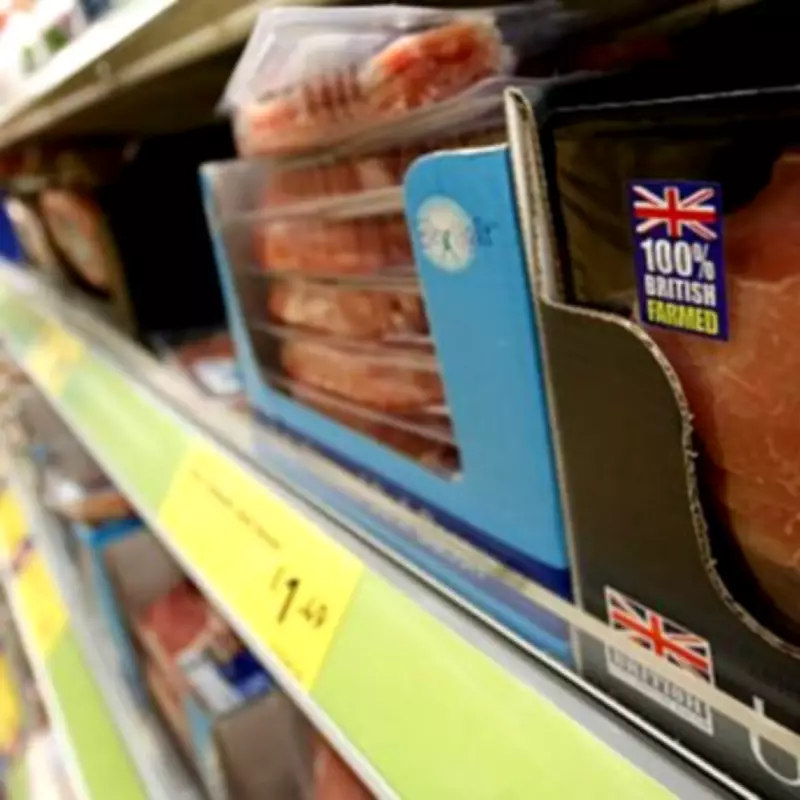
UK households are dramatically reducing their purchases of bacon from supermarkets following a stark warning from health authorities linking the popular breakfast staple to cancer. New data reveals a significant shift in consumer behavior, with traditional bacon sales dropping sharply as shoppers opt for nitrite-free alternatives.
Sales Data Shows Dramatic Shift
According to consumer analysts Worldpanel by Numerator, sales of traditionally cured bacon products fell by 7% during the three-month period ending January 25. Meanwhile, nitrite-free bacon sales experienced a remarkable 20% increase during the same timeframe. The data, published by the Coalition Against Nitrites, shows that the value of nitrite-cured bacon sales specifically declined by 7.3% over the 12 weeks to January 25 compared to the same period the previous year.
A campaign spokesperson emphasized the significance of these figures, stating: "£18.7 million has been wiped off nitrite-cured bacon sales in just three months. That's not a fluctuation - it's a consumer revolt. Shoppers are clearly demonstrating they do not want additives in their food."

Health Concerns Driving Consumer Choices
The bacon backlash follows the World Health Organization's declaration that processed meats, including bacon, are carcinogenic, placing them in the same category as smoking and asbestos. This scientific assessment has prompted widespread concern among UK consumers about their dietary choices.
Professor Chris Elliott, a leading food safety expert and member of the Coalition Against Nitrites, explained: "Consumers are moving first, responding to the overwhelming scientific evidence linking nitrite-cured meats to cancer. They're realizing these chemicals simply don't need to be used to make the bacon and ham that so many of us love to eat."
Elliott added: "The use of carcinogenic nitrites is increasingly out of step with public expectations. This is no longer a fringe issue. It represents a mainstream market correction, backed by cross-party political support."
Industry Response and Health Implications
Rebecca Tobi, head of food business transformation at the Food Foundation thinktank, welcomed the trend: "Declining sales of traditional cured bacon will be good for the nation's health in the long term. The emergence of nitrite-free options means that those who continue to eat bacon now have a healthier alternative available."
Tobi highlighted concerning statistics: "A third of the meat we eat in the UK is processed, a figure that's even higher among children. This persists despite the very strong body of evidence linking processed meat consumption to a greater risk of developing chronic diseases, including bowel cancer."
Nick Allen, chief executive of the British Meat Processors Association, offered industry perspective: "While nitrites play an important role in food safety, the ultimate decision on the amount used in different curing recipes rests not with processors, but with product brand owners who commission their own-label recipes."
Allen continued: "There has been significant and ongoing work by processors to reduce nitrites in cured pork products. Our producers have, over several years, been implementing new methods to get nitrite use as low as possible without jeopardising public health."
The data suggests UK consumers are becoming increasingly health-conscious about their food choices, particularly regarding processed meats. This shift represents a significant challenge for traditional bacon producers while creating opportunities for manufacturers offering nitrite-free alternatives. The trend appears likely to continue as awareness grows about the health implications of processed meat consumption.