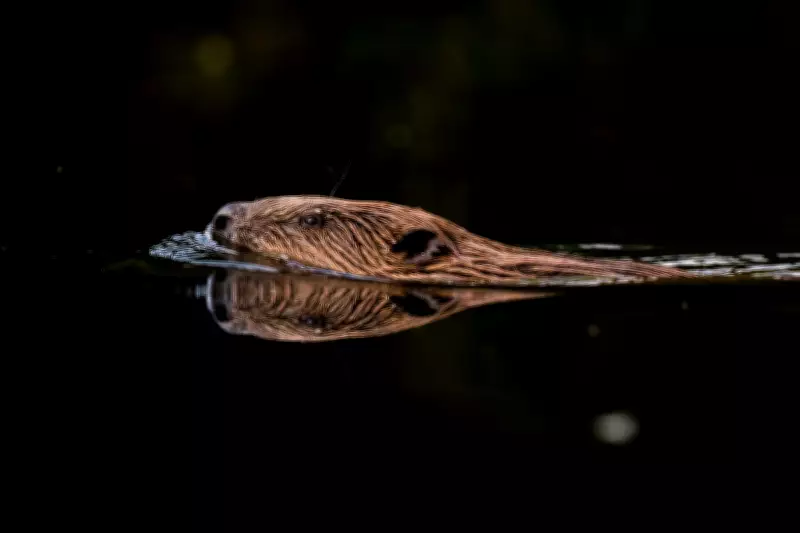
Wild Beavers Poised for Official Reintroduction in Staffordshire
In a significant conservation effort, Staffordshire Wildlife Trust (SWT) is advancing plans to reintroduce wild beavers to the West Midlands, specifically targeting the Trent Valley in Staffordshire. This initiative follows the discovery of illegal releases, colloquially termed "beaver bombing," which have already introduced the species to local waterways.
The Trust is preparing a full licence application for a carefully managed 10-year project, which, upon approval, could see an initial 50 beavers released into suitable habitats. This move aims to restore a species that was hunted to extinction in the UK approximately 400 years ago, with recent government licences allowing such reintroductions since 2025.
Illegal Releases Complicate Conservation Efforts
In recent years, beavers have unexpectedly appeared across Staffordshire, with signs of activity documented on rivers including the Sow, Trent, Dove, and Tame. SWT suspects these animals were illegally introduced, a practice that poses challenges for maintaining healthy genetic diversity and ensuring long-term population stability.

Despite these unofficial releases, landowners in the affected areas have shown support for the beavers. SWT continues to monitor their activity and wellbeing, using trail camera footage that has captured at least two pairs and lone beavers engaging in behaviors such as feeding and scent marking, indicating they have established territories.
Environmental Benefits of Beaver Reintroduction
The reintroduction of beavers is expected to transform Staffordshire's waterways, offering natural solutions to environmental issues. Beavers are known for their ability to create wetlands that help mitigate flooding, reduce drought impacts, and filter pollutants, thereby enhancing water quality and biodiversity.
According to the World Wide Fund for Nature, beavers are classified as a "near threatened" and "vulnerable" species, making this project crucial for their conservation. As one of the largest rodents globally, their return could play a pivotal role in ecosystem restoration across the region.
SWT's project represents a proactive step towards sustainable wildlife management, balancing the need for controlled reintroductions with the challenges posed by prior illegal activities. The Trust emphasizes the importance of official oversight to ensure the beavers' health and the ecological benefits are maximized for Staffordshire's communities and natural landscapes.