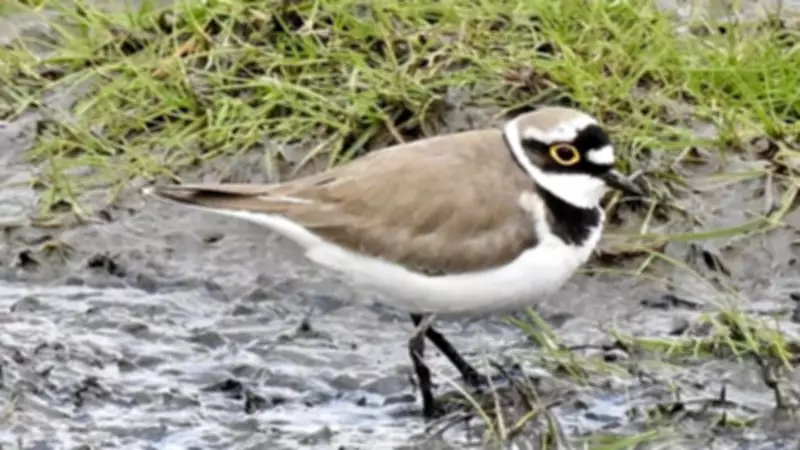
Early Arrival of Spring Migrants Signals Climate Changes on Sefton Coast
The shifting climate patterns are becoming increasingly evident to nature enthusiasts along the Sefton Coast, as spring migrants like the Little Ringed Plover arrive earlier than in previous years. Traditionally, birdwatchers would focus their efforts in late March for the first signs of these seasonal visitors, but recent trends show a noticeable advancement in migration timelines.
Notable Early Arrivals and Their Implications
In recent seasons, species such as Willow Warblers, Swallows, Wheatears, and Sandwich Terns have been spotted much earlier, indicating a clear response to changing environmental conditions. For instance, a Little Ringed Plover was recorded at the Marshside RSPB reserve on March 7 last year, arriving a full 11 days earlier than the first sighting in 2024. This pattern extends to other waders, warblers, and hirundines, consistently breaking previous early arrival records.
However, this early migration is not without risks. Birds that arrive ahead of schedule, often aided by favourable southerly winds and rising temperatures, gamble on the stability of the climate. While mild conditions can provide abundant food and prime breeding territories, a sudden cold snap can devastate insect populations, leaving migrants without essential sustenance. This precarious balance highlights the challenges faced by these pioneering species.

Adaptations and Local Observations
Some bird species are adapting by altering their migration habits entirely. The Chiffchaff, a common breeding warbler in Sefton, now has a population that remains throughout the winter months, with their distinctive songs heard in dunes and woodlands nearly year-round. As above-average temperatures become more common, their calls now compete with those of other species that would typically not be heard until April in decades past.
When warm southerly winds prevail, Willow Warblers are prompted to sing, and Swallows push northward, with some even wintering in Cornwall to avoid the perilous journey to sub-Saharan Africa. Wheatears, a favourite among spring migrants on the coast, are now often seen as early as the first two weeks of March. Yet, if winds shift to a northerly direction, this early migration can abruptly halt, delaying the arrival of these seasonal heralds.
Tips for Birdwatchers and Conservation Efforts
For those eager to witness these early summer visitors, monitoring weather forecasts from the third week of February for warm southerly airflows is key. It is important to remember that migrating birds travel thousands of miles to reach the Sefton Coast, so observers should maintain a respectful distance to avoid disturbance.
John Dempsey, who works for Green Sefton—a Sefton Council service integrating Coast & Countryside, Parks & Greenspaces, and other teams—emphasizes the importance of a joined-up approach to managing and preserving the region's beautiful coastline, parks, and green spaces. This effort supports the ongoing conservation of habitats critical for these migrating birds.