Gardeners Urged to Welcome Moths to Reverse Population Decline
Britain's gardeners are being called upon to embrace leaf-munching caterpillars in their gardens this spring, as part of a vital effort to combat a significant decline in moth populations. The Royal Horticultural Society and Wildlife Trusts have launched their annual Wild About Gardens campaign, focusing this year on the crucial role of moths, often dubbed 'butterflies of the night,' in maintaining healthy ecosystems.
The Importance of Moths in UK Gardens
With over 2,500 species across the UK, moths serve as essential pollinators and a key food source for birds and bats. However, their numbers have plummeted by approximately one-third since the 1960s, largely due to urban development, pollution, and climate change. Experts are now urging gardeners to view nibbled leaves not as damage, but as a positive indicator of a thriving, biodiverse garden environment.
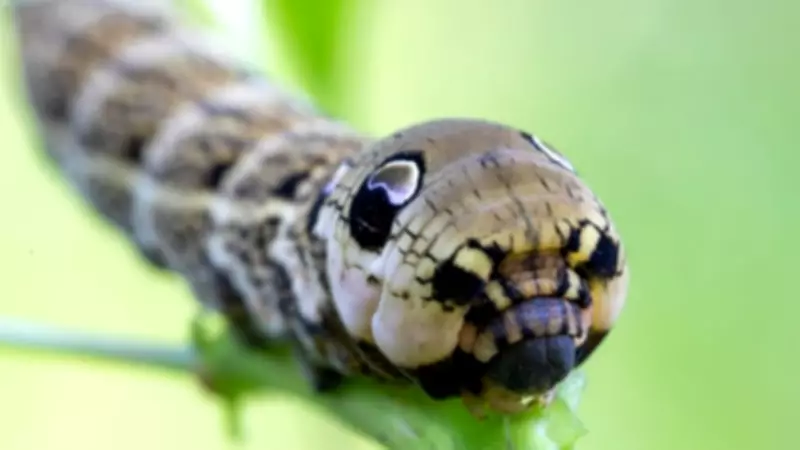
By shifting perspectives, gardeners can provide safe havens for these insects to complete their life cycles, from caterpillar to moth. Some caterpillars exhibit remarkable survival tactics, such as mimicking twigs or bird droppings, while adult moths of certain species never eat, relying solely on energy stored during their larval stage.

Creating a Moth-Friendly Garden
To support moth populations, the campaign recommends planting native shrubs like honeysuckle and willow, alongside nectar-rich flowers such as foxgloves and sweet William. Establishing a 'night-time nectar bar' with evening-scented plants like jasmine and tobacco plants can attract nocturnal moths, offering them a valuable food source.
Helen Bostock, RHS senior wildlife expert, emphasized: 'Moths have long played second fiddle to butterflies in the garden, but understanding their value and needs can support their recovery and enhance biodiversity.' Vicki Hird, insect specialist at The Wildlife Trusts, added: 'Moths are stunning in name and beautiful by nature. Even little brown moths can have intricate markings, making them a wonder to observe.'
Appreciating Moth Diversity
While most moths are nocturnal, around 150 species are active during the day, showcasing vibrant colors like the pink and olive green of elephant hawk moths or the red, cream, and black patterns of Jersey tiger moths. The campaign encourages gardeners to look past minor nibbling on vegetables and ornamental plants, appreciating the beauty and ecological importance of these emerging pollinators.
Simple actions, such as setting up moth traps for observation before release, can foster a deeper connection with these creatures. By tolerating caterpillars and creating supportive habitats, gardeners play a direct role in reversing the decline of moths and promoting a richer, more resilient garden ecosystem.