Hedgehog Awakening: Experts Urge Caution as Spiky Garden Visitors Emerge
As hedgehogs begin to stir from their winter hibernation, you might notice them snuffling for food in your garden. While these prickly creatures appear adorable, wildlife experts are strongly advising people to maintain a respectful distance. Typically, hedgehogs rouse from their slumber around mid-March, but this year's relatively mild conditions could lead to earlier appearances.
Observing Hedgehogs Safely
Helen Baczkowska from the Norfolk Wildlife Trust explains, "They might come out, toddle around for a few days and then, if there's a really cold snap, go back to sleep for a few days." She emphasizes that while it's enjoyable to watch hedgehogs from afar, handling them should be avoided unless they are clearly injured or trapped. "It really stresses them, will frighten them away and they may seek another refuge somewhere else," she adds. Hedgehogs are not fond of human interaction and thrive best when left to live their natural lives, adept at finding what they need without interference.
Feeding and Habitat Tips
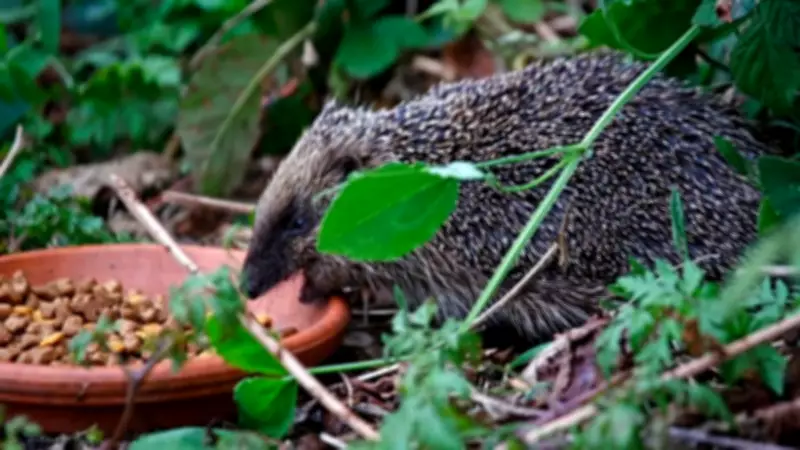
When it comes to feeding, Helen notes that while providing food can be a useful way to monitor hedgehog populations, creating a wildlife-friendly garden is more crucial. "Yes, we can feed them but if we leave them wild places in our gardens, playing fields and farms, having a wildlife garden that's full of invertebrates is more important," she says. The British Hedgehog Preservation Society recommends offering high-quality meaty hedgehog food, meat-based cat or dog food with meat as the primary ingredient, or dry cat biscuits.

To minimize conflicts between hungry hedgehogs, set up several feeding stations in different parts of your garden. Place the food in a quiet, undisturbed spot—a box with a small entrance can be ideal to keep cats out. Alternatively, scatter small quantities of food in grass or undergrowth to encourage natural foraging behavior, as suggested by gardening expert Hannah Stephenson.
Essential Care Guidelines
Provide fresh drinking water in clean dishes to reduce disease risks, but avoid bread or milk, which offer no nutritional value and can harm hedgehogs. Helen warns, "Don't give them bread or milk, like our grandparents used to, because it has nothing nutritious in it for them and they're not evolved to drink milk, so it's not good for them." For shelter, ensure safe, dry spaces are available for hedgehog mothers and their hoglets.
Delay spring cleaning to protect hedgehog habitats. "Learn to love your garden insects, which will be food for the hedgehogs," Helen advises. Avoid tidying up outdoor areas hastily, and leave mounds of grass cuttings or leaves untouched, as they may harbor hedgehogs. However, remove ground-level hazards like gardening string, plastic ties, and netting that could entangle them, and steer clear of pesticides and slug pellets.
Handling Injured Hedgehogs
In early spring, hedgehogs might appear sluggish as they warm up from hibernation, but if you encounter an injured one, use gardening gloves or a folded towel to collect it. Bring it indoors in a high-sided box with an old towel or fleece for hiding. Place a wrapped, filled hot water bottle at the bottom for gentle warmth, ensuring space to move away if too hot. Contact the RSPCA or a local animal sanctuary for assistance, with the British Hedgehog Preservation Society offering details on rescues and care information.
Supporting Hedgehog Conservation
To aid hedgehog conservation, consider participating in the Wildlife Trusts' Hedgehog Walk from March 30 to April 30. Families, schools, and clubs are encouraged to walk, wheel, crawl, or roll 3km—matching the distance a hedgehog travels in a night—to raise funds for nature. This initiative highlights the importance of protecting these beloved garden visitors and their natural habitats.