Record Crane Breeding Success Marks Historic UK Wildlife Recovery
Conservationists across the United Kingdom are celebrating a landmark achievement as a record number of cranes successfully bred during the previous year. This development represents a significant milestone for the species, which has made a remarkable return after being extinct in the country for approximately four centuries.
Population Reaches New Highs
The latest data reveals that 87 pairs of cranes managed to raise 37 young birds throughout the last breeding season. Experts now estimate the total population stands at around 250 individuals, including both adults and younger birds. This resurgence follows centuries of absence driven by historical hunting and the widespread loss of crucial wetland habitats.
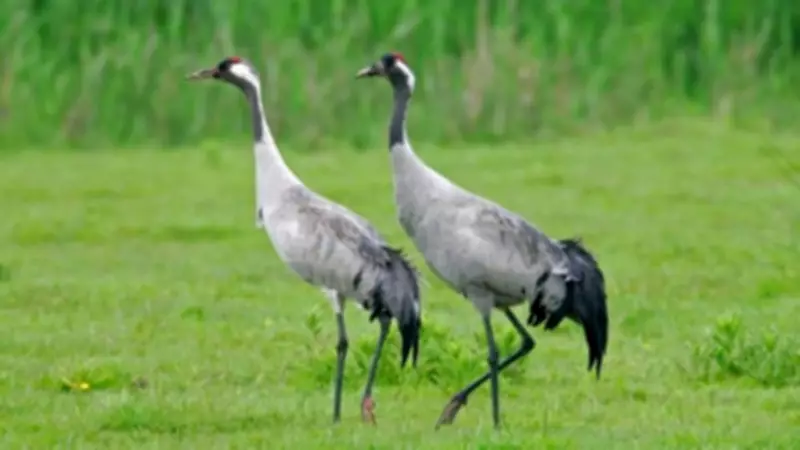
Modern recovery efforts have combined natural migration from Europe with intensive conservation projects. The birds, easily identified by their one-metre height, impressive two-metre wingspan, and distinctive loud calls, are thriving once again in restored environments.

Habitat Restoration Drives Success
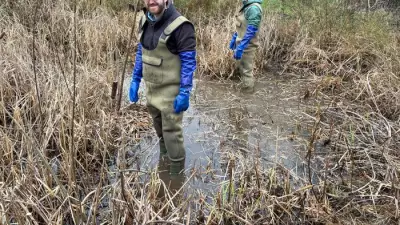
Landowners and environmental groups have collaborated extensively to restore the damp marshlands essential for crane breeding. The RSPB reports that 80% of the breeding population now resides within protected sites, with many birds living on specific reserves. At locations like Lakenheath Fen, managers actively maintain reeds and water levels to create secluded nesting spots, as highlighted by reports from Emily Beament.
Collaborative Conservation Efforts
The 'Great Crane Project' has been instrumental in boosting numbers through hand-rearing and releasing birds into the Somerset Levels. This partnership involves the RSPB, WWT, and Pensthorpe Conservation Trust, working closely with local farmers to establish safe habitats.
Dave Rogers, a reserve manager, expressed enthusiasm about the progress. "We talk about the UK as being a very nature depleted country, so getting something back as iconic as cranes shows we can change the fortunes of a landscape, and change the fortunes of a species," he stated. "It's good for the soul to see something back in the UK, something that's iconic."
Reflecting on the long-term impact, Rogers added, "They've been lost for 400 years, to reverse that decline shows that humans can reverse some of the impacts they've had."
Regional Success Stories
In Lincolnshire, the population at Willow Tree Fen has grown from a single pair to four breeding couples over seven seasons. John Oliver, a local warden, described this trend as a "real conservation success" for the region.
"It demonstrates the resilience of nature and what can be achieved by working together," Oliver said. "To reach a population of 250 is a phenomenal achievement, but we still have a way to go."
Future Challenges for the Species
Despite the positive data, experts warn that climate change continues to threaten the delicate wetland environments these birds depend on. Martin McGill from WWT Slimbridge emphasized the ongoing risks.
"Their habitats are at risk from the ever-increasing impacts of climate change – making it more important than ever to come together across sectors, to protect and restore bigger, more connected wetlands, so this iconic bird can thrive long into the future," McGill stated.
This record breeding season underscores the power of collaborative conservation, offering hope for other endangered species while highlighting the need for continued efforts to safeguard these gains against environmental challenges.