RSPB Issues Summer Warning for UK Garden Bird Feeders
The Royal Society for the Protection of Birds (RSPB) has issued a critical warning to all UK households with bird feeders in their gardens, calling for their removal during the summer months to combat the spread of avian diseases. This guidance aims to protect bird populations by reducing congregation points where infections can easily transmit.
Seasonal Feeding Strategy to Protect Bird Health
In new advice released by the RSPB, bird lovers are urged to adopt a "feed safely and feed seasonally" approach. Specifically, from 1 May to 31 October, households should pause filling bird feeders with seeds and peanuts. Instead, they can offer small amounts of protein-rich alternatives such as mealworms, fat balls, or suet to minimize large gatherings of birds that facilitate disease spread.
Beccy Speight, chief executive of the RSPB, emphasized: "Feeding birds is something millions of us love and value, but the science shows us that birds such as greenfinches have been affected by the spread of disease at feeders. We’re not asking people to stop feeding, just to feed in a way that protects birds’ long-term health. By making small changes together, we can ensure garden feeding continues to be a positive force for nature."

Detailed Guidance and Rationale
A spokesperson for the RSPB explained the rationale behind the seasonal advice: "The new advice is simple: feed safely and feed seasonally. During the warmer months from 1 May to 31 October, when disease can spread more easily, we are recommending people pause filling bird feeders with seed and peanuts to avoid large numbers of birds gathering in one place. Small amounts of mealworms or fat balls can still be offered safely throughout the year."
This proactive measure is designed to address the increased risk of avian diseases during summer, when higher temperatures and bird activity can lead to rapid transmission. The RSPB's call highlights the importance of adapting feeding practices to seasonal conditions to safeguard bird welfare.
Big Garden Birdwatch 2026 Results: Key Findings
The RSPB's guidance comes alongside the release of the Big Garden Birdwatch 2026 results, which provide insights into UK garden bird populations. The top 10 most commonly seen birds and their trends since 1979 are:
- House sparrow – Average of 3.57 per garden; seen in 57.1% of gardens; population fall of 64.3% since 1979.
- Blue tit – 3.12 per garden; 78.5% of gardens; population rise of 28% since 1979.
- Starling – 2.23 per garden; 31.4% of gardens; population fall of 85.1% since 1979.
- Wood pigeon – 2.21 per garden; 75.2% of gardens; population rise of 1,003% since 1979.
- Blackbird – 1.68 per garden; 71.7% of gardens; population fall of 58.1% since 1979.
- Great tit – 1.58 per garden; 56.1% of gardens; population rise of 75.2% since 1979.
- Robin – 1.50 per garden; 83.1% of gardens; population fall of 25.2% since 1979.
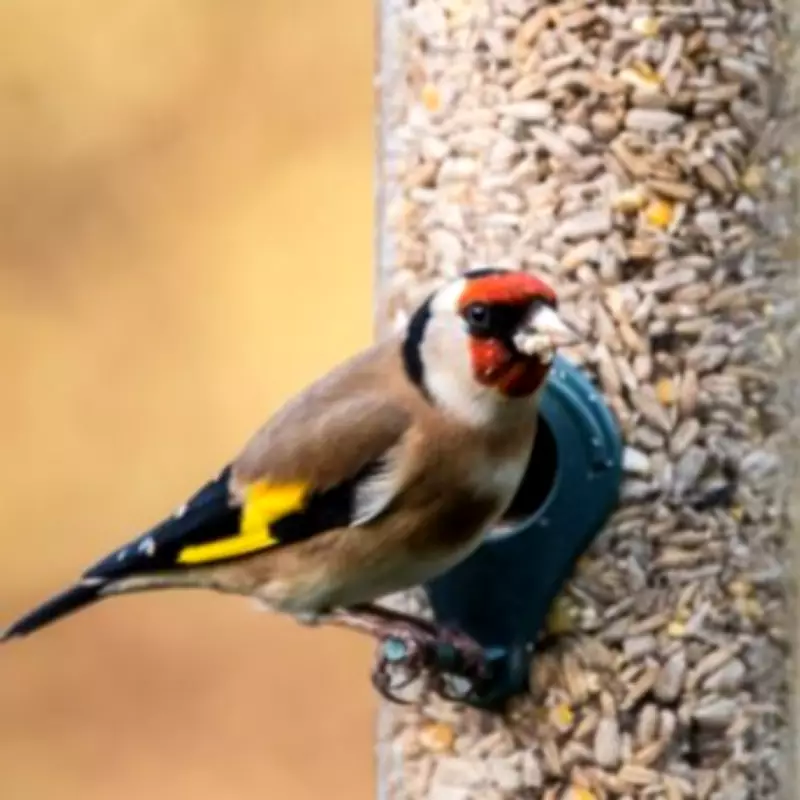
- Goldfinch – 1.38 per garden; 27% of gardens; no long-term trend data available.
- Magpie – 1.32 per garden; 58% of gardens; population rise of 228.8% since 1979.
- Long-tailed tit – 1.19 per garden; 26.2% of gardens; no long-term trend data available.
These statistics underscore the varying impacts on bird species, with some experiencing significant declines, such as starlings and house sparrows, while others like wood pigeons and magpies have seen substantial increases. The RSPB's new feeding guidelines aim to mitigate further declines by addressing disease risks that can exacerbate population losses.
By following this seasonal advice, UK households can play a vital role in supporting bird conservation efforts, ensuring that garden feeding remains a beneficial activity for wildlife throughout the year.