As freezing temperatures grip parts of the UK, the RSPCA is urging the public to help garden birds by offering a simple kitchen staple: plain, cooked pasta.
Winter Challenges for Garden Wildlife
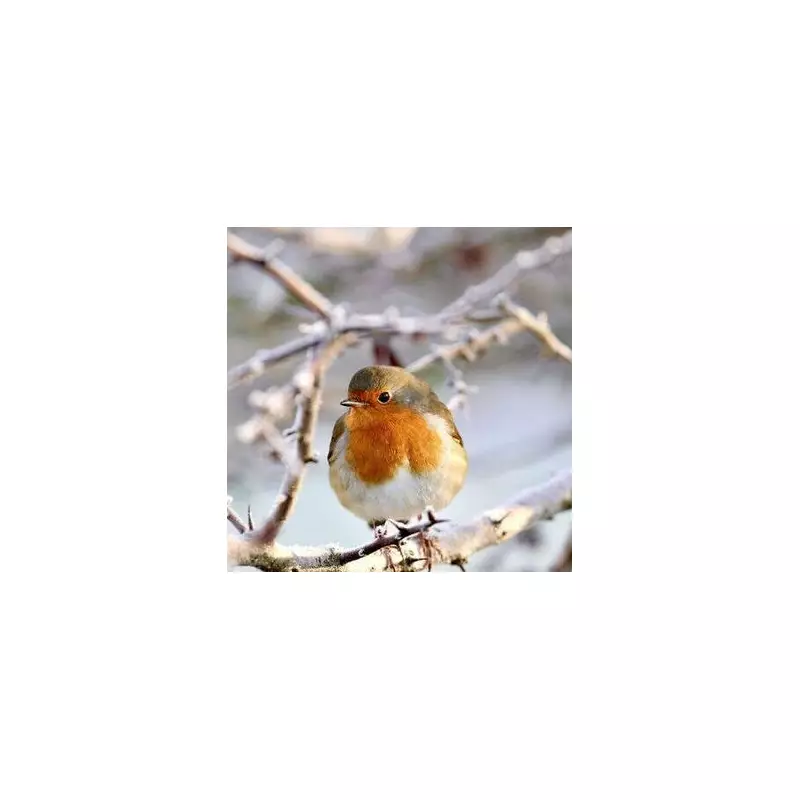
Recent weeks have seen significant temperature drops across Britain, with some areas experiencing sub-zero conditions. This harsh weather makes it extremely difficult for birds like robins to find their natural food sources. The frozen ground locks away the insects and invertebrates they typically rely on for sustenance.
Birds play a crucial role in garden health by controlling pests that damage plants, but they now need our assistance to maintain their energy levels and survive the cold spell.

Safe and Simple Feeding Advice
According to the animal welfare charity, cooked pasta is an excellent source of carbohydrates, providing a vital energy boost for small birds when they need it most. The key is preparation: the pasta must be cooked in water only, with absolutely no salt, oil, butter, or spices added, as these can be harmful.
It is also advisable to chop larger pasta shapes into smaller, beak-sized pieces to prevent waste and make it easier for the birds to eat. This method offers an affordable way to support local wildlife using everyday leftovers.
A Balanced Diet for Feathered Visitors
While pasta is a helpful supplement, the RSPCA emphasises that birds, like humans, benefit from a varied diet. A range of other safe kitchen leftovers can be provided, including:
- Unsalted, cooked rice and boiled potatoes.
- Cheese and uncooked, unsalted bacon rind.
- Suitable fruits like raisins, sultanas, apples, pears, and soft fruits.
Specialist bird foods are also excellent. These include nyjer seed, millet, oats, and sunflower seeds. Peanuts can be given but must be unsalted, fresh, and free from aflatoxin mould. Whole peanuts should only be placed in feeders with a small mesh to prevent choking hazards for chicks.
Other recommended options are net-free fat or suet balls, and live or dried mealworms and waxworms.
Essential Water and Safety Precautions
Beyond food, a consistent supply of fresh, unfrozen water is critical for drinking and bathing. Garden owners should place out bowls of water daily if they do not have a bird bath.
The charity also issues important warnings. Dog owners must be vigilant, as grapes, sultanas, raisins, and some artificial sweeteners are toxic to dogs. Furthermore, feeders and water bowls should be positioned away from spots where cats or other predators might easily ambush feeding birds.
By taking these simple steps, anyone with outdoor space can transform their garden into a vital sanctuary, helping robins and other cherished species weather the winter months.