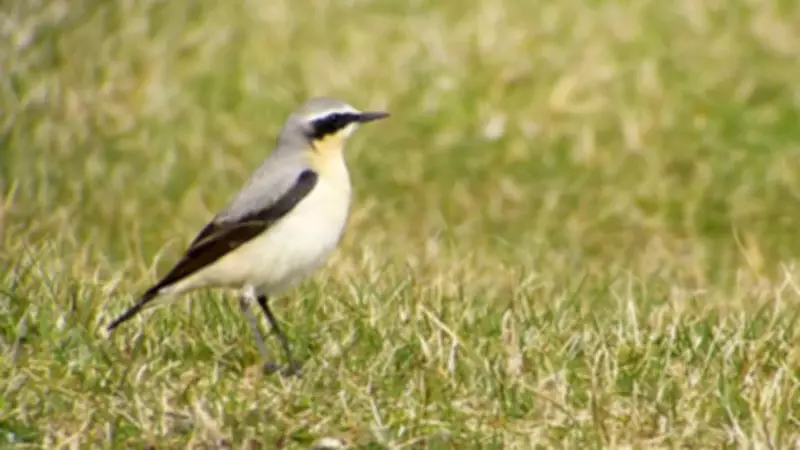
Wheatears Illuminate Sefton Coast as Cherished Spring Visitors
As eagerly anticipated as the first swallows heralding summer, Wheatears stand out as a much-loved and conspicuous spring migrant gracing the Sefton coastline from March through May. These remarkable birds captivate observers with their striking appearance and incredible migratory feats.
Stunning Plumage and Distinctive Features
Male Wheatears present a breathtaking spectacle with their blue-grey backs, sleek black wings and facial masks, peachy underparts, and that startling white rump that often gives away their presence. While female Wheatears display more subdued coloration, they too share that distinctive bright white rump patch that makes them recognizable to keen-eyed birdwatchers.
An Extraordinary Migration Journey
Having wintered in sub-Saharan Africa, Wheatears typically nest in upland areas, with their breeding range now stretching astonishingly all the way to Alaska. Occasionally, a determined pair might attempt to nest along the Sefton Coast, but our increasingly busy shoreline usually proves too disruptive for these wary birds when they're trying to raise their families.

Consequently, most Wheatears spotted along the coast are birds in transit, moving northward as part of their epic migration. Observers have noted decreased numbers in recent years, yet small parties of up to six birds have already graced the coastline over the past month, offering hopeful signs for this spring season.
Prime Viewing Locations and Timing
Bird enthusiasts should watch for Wheatears along the high tideline, where they frequently perch on driftwood and debris, or in areas of grazed grassland. As spring progresses, the larger "Greenland" race of Wheatear begins to appear. These particularly hardy birds typically show larger size and more vibrant coloring, with a greater tendency to perch on branches and rooftops.
Interestingly, these Greenland Wheatears sometimes allow closer approach if observers exercise caution—perhaps because, like many birds that summer in the Arctic, they haven't encountered enough humans to perceive us as threats. Greenland Wheatear numbers peak along the coast from late April into May, though earlier sightings occur, making them worth watching for throughout the spring.
The Incredible Two-Stage Migration
This resilient chat makes its northward journey in distinct stages—leapfrogging through the UK, then Iceland, and finally reaching Greenland. Some intrepid individuals continue westward to establish Alaska's breeding population. When autumn arrives and it's time to head south for winter again, Greenland Wheatears demonstrate truly innovative navigation.
Rather than retracing their spring route, they embark on a direct transatlantic crossing, completing the journey to Africa in one epic sea voyage. This represents one of the most staggering migration flights undertaken by any bird species and should inspire every visitor to the Sefton Coast to treat these incredible avian travelers with utmost respect.
Responsible Observation Guidelines
Visitors should certainly watch and enjoy these magnificent migrants, but must avoid spending excessive time with individual birds that causes them to constantly move ahead, burning precious energy they desperately need for their astonishing journey. Appreciate their beauty and stamina while allowing them to pass through without disturbance or stress.
This approach ensures Wheatears can complete their migration successfully while birdwatchers can enjoy observing these natural wonders. The delicate balance between human enjoyment and wildlife protection remains crucial along our precious coastline.
John Dempsey works for Green Sefton, the Sefton Council service that coordinates Coast & Countryside, Parks & Greenspaces, and Grounds Maintenance teams for integrated management, development, and oversight of Sefton's beautiful coastline, parks, and green spaces. This column regularly explores the flora, fauna, and history of the coastline alongside conservation efforts to protect it.