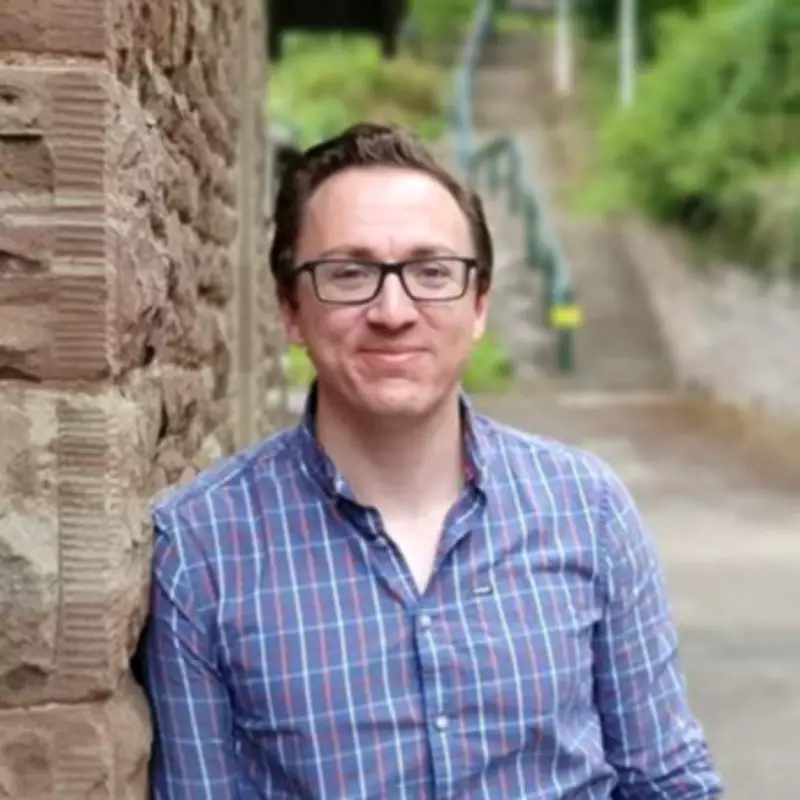
Architect's 'Work Stress' Headaches Revealed as Brain Tumour After Seizure
An architect who attributed persistent headaches and dizziness to the pressures of his profession discovered they were symptoms of a brain tumour following a dramatic seizure. Craig Alexander, now 38, experienced these issues for years, dismissing them as fatigue and dehydration from long working hours in his architectural role.
Warning Signs Ignored Until Catastrophic Event
In early May 2023, Craig suffered a tonic-clonic seizure while in a car with a colleague, losing consciousness and jerking uncontrollably for several minutes. He was rushed to Hereford Hospital, where an MRI scan revealed a large tumour measuring 75mm by 35mm, deep and central in his brain, identified as an astrocytoma.
Reflecting on his experience, Craig said: "Looking back, there were warning signs—but I put it all down to tiredness, dehydration and long working hours. Nothing prepares you for being told you have a brain tumour." He also experienced tremors and visual disturbances, which he initially blamed on stress.

Treatment and Recovery in Birmingham
Craig was referred to the Queen Elizabeth Hospital in Birmingham for a detailed contrast MRI, confirming the tumour had likely been growing slowly for years. He underwent a seven-hour craniotomy for a biopsy, followed by radiotherapy and chemotherapy. The surgery's impact was severe, leaving him unable to walk or speak temporarily, which he described as "like having a stroke."
Due to NHS waiting times, Craig sought private speech and physiotherapy, nearly fully recovering but still dealing with a weak left side and occasional foot dragging. The treatments caused extreme fatigue, with him sleeping 15 to 18 hours daily, and he eventually stopped working. He requires regular scans to monitor the tumour, as no further surgical options exist due to the risk of impairment.
Advocacy for Brain Tumour Research
Craig has become an advocate for brain tumour research, highlighting gaps in care. He explained: "Something as basic as getting a blood test before a contrast MRI became a major ordeal... There is a real lack of joined-up care and follow-up, and it often felt like I was falling through the cracks." He is supporting a manifesto by Brain Tumour Research, unveiled in Wales, calling for improved outcomes through clinical trials and funding.
Dr. Karen Noble, Director of Research Policy and Innovation at Brain Tumour Research, commented: "Brain tumours are the leading cause of cancer death in children and young people, yet patients are being locked out of innovation. Our manifesto is a clear roadmap to change by expanding access to clinical trials and committing to targeted research funding."
Craig added: "Brain tumours don't just affect your health, they take away your future plans, your confidence and your sense of normality. Right now, my focus is on my health and rebuilding my energy."