Brain Tumour Survivor Amy to Run London Marathon in Triumphant Recovery
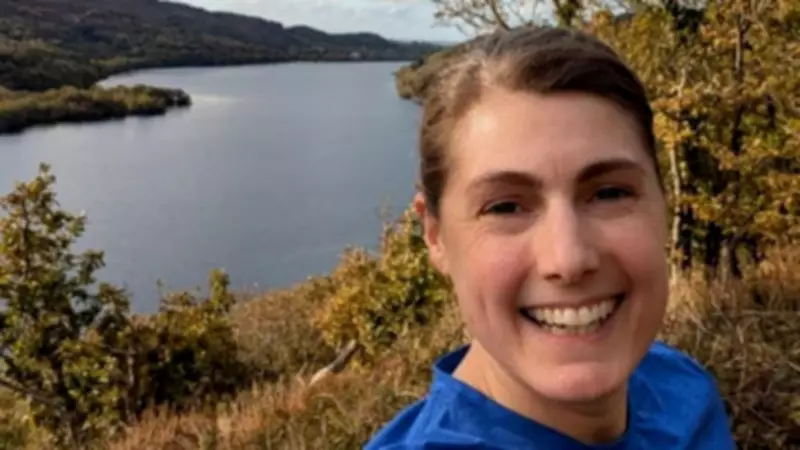
Amy, a 39-year-old resident of New Malden, describes how her world was completely turned upside down when she received a shocking diagnosis of a brain tumour in May 2024. On Sunday, April 26, she will mark her remarkable recovery by taking on the London Marathon, nearly two years after her diagnosis and 18 months following major brain surgery.
Shocking Diagnosis and Warning Signs
The diagnosis revealed an acoustic neuroma, a type of low-grade brain tumour that typically forms in the nerves connecting the ear and the brain, primarily affecting adults. Amy recalls the moment with clarity, stating, "I had no idea something was actually wrong until I suddenly lost some of my hearing in my left ear. Initially, I thought it was just an ear infection."
Looking back, she recognises there were subtle warning signs. "I would experience severe headaches, especially at the back of my head, to the point where I needed a specific pillow at night. In photos from the year before my diagnosis, I can see an imbalance in my face where the left side was starting to weaken," she explained.

Surgery and Ongoing Challenges
Although the tumour was benign, its large size necessitated surgery from the outset. The operation, performed six months after diagnosis, left Amy deaf in one ear, and she continues to manage fatigue during her recovery. "The deafness has taken a while to get used to. Loud spaces and socialising in groups are now quite overwhelming," she said.
She adds with humour, "It's now an ongoing joke how many times my husband makes me jump because I don't realise he's entered the room until he speaks, or I chat away to myself when he leaves unnoticed." Regarding fatigue, Amy notes, "Post-surgery fatigue is finally easing. Luckily, napping is my superpower—I can sleep anywhere, whether on public transport, in cars, at a festival field, or on the beach!"
Lifelong Monitoring and Marathon Training
The hardest part, according to Amy, is knowing that some tumour remains, requiring lifelong monitoring for regrowth. "Every August from now on, I'll have an MRI, and the results will determine what the next year looks like for me," she shared.
Not a regular runner—her last half-marathon in 2015 left her in tears—Amy previously rowed and completed triathlons. Running the marathon distance presents a significant challenge, and she has trained diligently. "Coming back to running since surgery has been a whole different experience. I've had to re-learn my limits and be mindful of listening to my body and getting enough rest," she said.
Training through winter proved tough, with relentless rain, but balancing work, daily life, and training with recovery and fatigue was the biggest hurdle. "The long runs have been hard, but when I struggle, I ask myself, 'Is this harder than recovering from brain surgery?' The answer is always no, so I carry on!"
Celebration and Fundraising Success
Standing at the start line will be a celebration of her recovery and a reminder of how far she has come. "Doing the marathon means so much—it's like drawing a line under the last two years. The whole process has slowly rebuilt my trust in my own body. I didn't want to just survive this; I wanted it to mean something," Amy expressed.
She looks forward to the atmosphere, especially running over Tower Bridge and crossing the finish line, though she secretly dreads the immediate aftermath due to balance issues and fatigue triggered by physical exertion, noise, and crowds. "I'm so proud of what I've managed to achieve already, both with training and fundraising," she added.
Fundraising has been brilliant, with Amy raising nearly £5,000 so far. "I'm so grateful to everyone who's donated. The generosity and kind messages from friends, family, and colleagues have been incredible," she said. She chose to run for The Brain Tumour Charity because their support, including free counselling, has been invaluable. "I continue to speak with the same therapist weekly to process the ripple effects of the brain tumour. Having someone from the beginning who understands the emotional rollercoaster has been truly invaluable."

Charity Support and Impact
Rebecca Burrows from the Events team at The Brain Tumour Charity commented, "A huge thank you to Amy for her incredible efforts. We wish her all the very best with her marathon. Every day in the UK, 35 people hear the words 'you have a brain tumour.' We are committed to funding pioneering research, campaigning for systemic change, and offering support to all those whose lives are turned upside down by a brain tumour diagnosis."
She added, "It's through the incredible efforts of people like Amy that we can bring hope to the thousands diagnosed with a brain tumour every year." The Brain Tumour Charity is the UK's largest dedicated brain tumour charity, fighting on all fronts by funding research to increase survival, improving treatment options, raising awareness of symptoms for earlier diagnosis, and providing support for affected individuals to live as fully as possible.