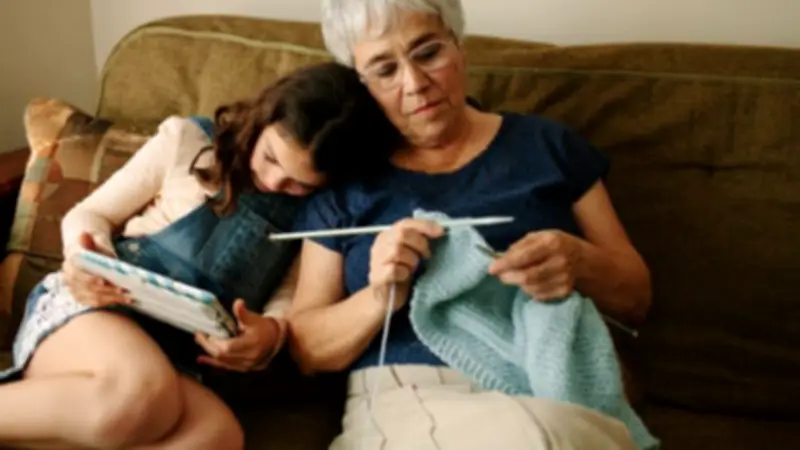
Picking up knitting needles may do more than create cozy gifts—it could significantly lower dementia risk, according to elderly healthcare researcher Neil K Shah. In a recent video, Shah claimed that knitting halves the likelihood of cognitive decline, citing scientific evidence including a Mayo Clinic study suggesting a 30% to 50% reduction in mild cognitive impairment among those who engage in crafts.
How knitting protects the brain
Shah explained that knitting provides full-brain engagement by forcing both hands into coordinated, complex movements. “The logical side counts the stitches, the creative side reads the pattern. It’s not just mechanical—it’s full-brain engagement,” he said. This combination of fine motor skills, pattern recognition, counting, and planning helps build cognitive reserve, the brain’s ability to adapt and resist decline.
Dementia is an umbrella term for cognitive decline severe enough to interfere with daily life. While no guaranteed prevention exists, experts estimate up to 45% of cases could be delayed or avoided through lifestyle changes such as diet, social engagement, and cognitive activity.

Pain relief and mental health benefits
Knitting may also help manage pain. “Pain isn’t just made in your knee, it’s made in your brain. And your brain can only process so much at once. Knitting floods it with signals that crowd the pain out,” Shah noted. Some pain management clinics use craft-based activities therapeutically.
Mental health benefits are widely reported. A survey of 3,500 knitters found that 81% of respondents with clinical depression felt happier after knitting, with more than half describing themselves as “very happy.” Shah said finishing rows triggers dopamine release, the brain’s reward chemical.
Mindfulness and stress reduction
The rhythmic, repetitive nature of knitting has a calming effect similar to mindfulness or meditation. “Heart rate drops, cortisol drops,” Shah said. “But unlike meditation, you end up holding a scarf.” This can help lower blood pressure and reduce stress hormones.
Knitting is accessible as a lifelong activity, suitable for older adults with reduced mobility or energy. “It’s a portable relaxation tool you can carry anywhere,” Shah added. “It fights loneliness, which by itself raises dementia risk significantly.”
Support for dementia
For those navigating a dementia diagnosis, organizations like Alzheimer’s Society, Dementia UK, Age UK, Carers Trust, and the NHS Dementia Guide offer expert guidance and emotional support.