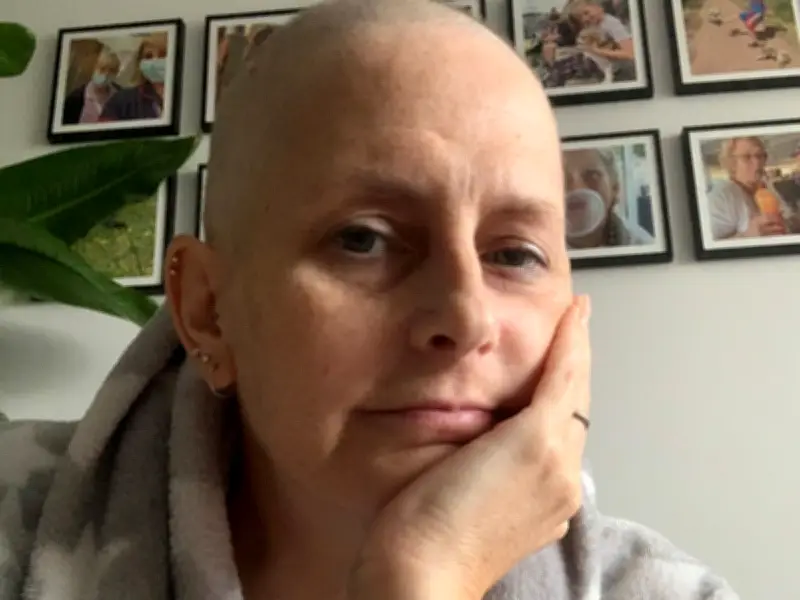
Katie Haywood, a 45-year-old mother of two from Wolverhampton, was diagnosed with incurable myeloma last June after months of ignoring warning signs, including a bruise she thought was from football. By the time of diagnosis, she had end-stage kidney failure and was days from total collapse.
Ignored symptoms led to severe diagnosis
Haywood, a nurse, attributed her symptoms—shortness of breath, exhaustion, recurring colds, and an "angry" bruise—to her hectic lifestyle. She worked full-time, taught yoga twice a week, and played football. She said: "There were a lot of separate little things but I made excuses for all my symptoms. I always found a reason."
She struggled with stairs at work but blamed a chest infection. "Now I know it's because I was severely anaemic, something I would spot in someone else straightaway," she added.

Bruise that wouldn't heal
Three months before diagnosis, Haywood noticed a large bruise on her arm that looked like a hematoma. She didn't recall being hit but assumed it was from football. "I had no idea at the time that it was because of low platelets," she said.
She only sought medical help when the bruise persisted. Within an hour, tests showed abnormal results requiring repetition, and she was urgently transferred to hospital. "I just went to work as normal and never left," she recalled.
End-stage kidney failure
Her kidney function was only 8%, indicating end-stage renal failure. She was severely anaemic and had very low platelets. Her consultant said she had about a week before she would have collapsed. The diagnosis came four days later, on her daughter's birthday. "It was a shock. When I had the blood tests done, I thought I maybe had a B12 deficiency," she said.
She underwent chemotherapy and a stem cell transplant in November. She is now in remission but faces lasting effects, including reduced kidney function and treatment-induced menopause. "In your mind you think, how long do I have before it comes back?" she added.
Campaign to raise awareness
Haywood is supporting Myeloma UK's Know the Warning Signs campaign. She urged: "Getting diagnosed early makes a big difference. You need to think deeper and put two and two together. You shouldn't be struggling, it's not normal."
Myeloma symptoms and challenges
Myeloma is the third most common blood cancer in the UK, affecting over 35,000 people. Symptoms include bone pain, fatigue, shortness of breath, muscle weakness, headaches, thirst, frequent urination, and weight loss. One in four patients wait over ten months for diagnosis, despite a simple blood test often detecting it. While incurable, it can be managed with periods of remission.
Dr Sophie Castell, Chief Executive at Myeloma UK, said: "You wouldn't ignore a red light on the road or a caution sign on a freshly-mopped floor, so why ignore the warning signs that your body sends you? Myeloma has one of the longest times to diagnosis of any cancer. One of the biggest barriers remains identifying and piecing together the symptoms quickly."