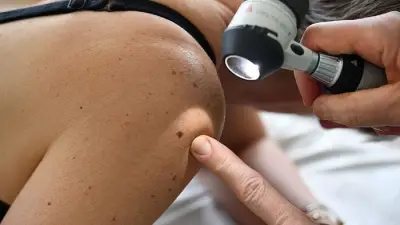
The Department for Work and Pensions (DWP) is issuing weekly payments of £114 to individuals suffering from eczema, a common condition affecting approximately one in ten adults in the UK. New data reveals that over 2,000 Personal Independence Payment (PIP) claimants currently receive this amount specifically for eczema.
Eczema: A Chronic Condition Often Overlooked
Allergy UK highlights the severity of eczema, stating: "Eczema affects 1 in 5 children and 1 in 10 adults in the UK, yet it is often dismissed as a minor skin issue, rather than recognised as a chronic condition that can deeply impact daily life." The charity further explains that for adults, managing eczema can be time-consuming and costly. Itchy, cracked, and painful skin can affect sleep, concentration, mood, work, and relationships.
For parents and carers, looking after a child with eczema adds extra stress and worry. The condition often disrupts sleep for both the child and family, making everyday life more challenging. Older children may struggle to focus at school or face negative reactions from peers due to visible skin symptoms.

Eczema Statistics and Triggers
Estimates suggest that up to 8 million people across the UK suffer from eczema. It is frequently triggered by environmental factors and is most common in children, though it can persist or develop in adulthood.
Eligibility for Personal Independence Payment (PIP)
Under DWP rules, individuals may qualify for PIP if they need extra help due to an illness, disability, or mental health condition. Claims can be made regardless of whether the person receives assistance from others.
PIP eligibility does not require previous employment or National Insurance contributions. Income, savings, or employment status do not affect eligibility. To qualify, applicants must demonstrate difficulty with everyday tasks or mobility due to a physical or mental condition. These difficulties must have persisted for at least three months and are expected to continue for at least nine more months.
Applicants must reside in England or Wales at the time of application, unless they or a close family member are serving in the armed forces.