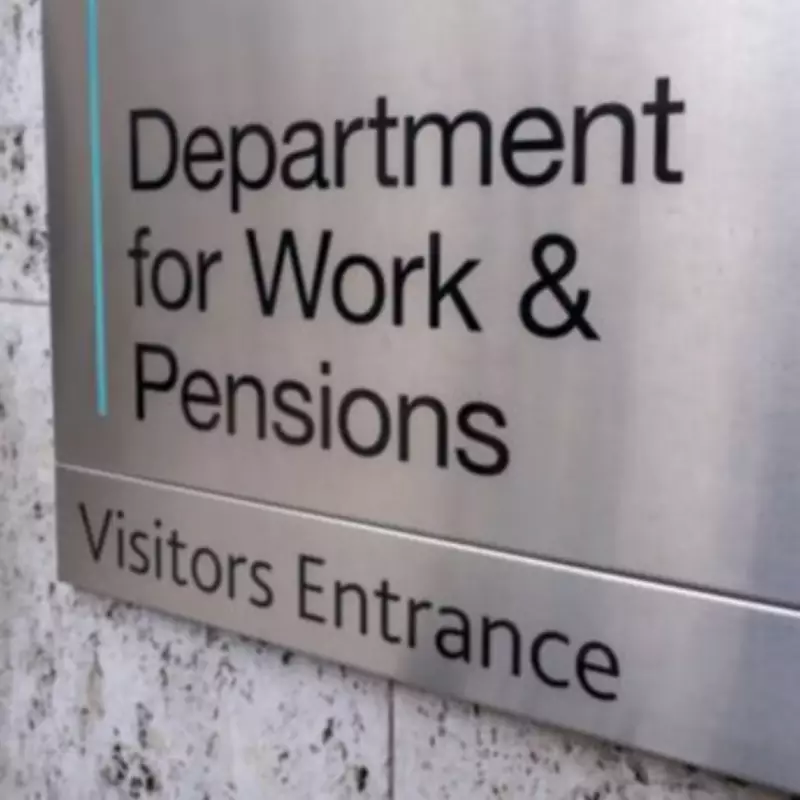
A Department for Work and Pensions (DWP) claimant has taken his own life after the welfare department reduced his Universal Credit payment to just £37. Andrew Halliday, 41, from the North East, was informed by the DWP that he would receive only £37.50 in January 2025, a reduction that left him fearing he would become homeless, according to Chronicle Live.
Mental Health Struggles
Mr. Halliday had been struggling with his mental health, which led him to leave his job in the telecommunications sector. In the days leading up to his death, he repeatedly expressed to NHS professionals and DWP staff that the drastic reduction in his payment had triggered fears of homelessness.
An inquest held in the North East concluded that Mr. Halliday died by suicide. Assistant coroner Paul Dunn stated: “The deceased had mentioned that one of the underlying reasons for his mental health deteriorating had been a reduction in his Universal Credit.”

Attempts to Query the Payment
Mr. Halliday made several attempts to understand why his January Universal Credit payment would be only £37. The DWP explained that the reduction was due to back pay he had received from a previous employer. However, Mr. Halliday had received that back pay in October 2024 and had used it to pay off debts. The DWP took the back pay into account for his January payment because HMRC had notified the DWP of the payment between the December assessment period, which began on November 30.
Mr. Dunn added: “Mr. Halliday called the Universal Credit phoneline again to query the January 2025 payment. He said he had no money remaining for rent or bills and he could not get support from the council and this was leaving him at risk of homelessness.”
During one call, Mr. Halliday reportedly asked: “Can I get any support or am I going to end up offing myself?”
Mental Health History
Mr. Dunn noted: “Mr. Halliday presented with suicidal ideation. He had a long history of anxiety and depression and was known to the mental health team. The trigger on this occasion was a reduction in his Universal Credit and fear of homelessness. He had been seen by the psychiatric liaison team and discharged, and seen at St George’s Hospital on January 2, 2025. There had been a deterioration in his mental health and he had major depressive illness. There was also a question as to whether he may have had underlying bipolar disorder.”
The coroner recorded a conclusion of suicide.
DWP Response
A DWP spokesperson said: “Our condolences are with Mr. Halliday’s loved ones, friends, and family. The Universal Credit assessment period and payment structure are designed to ensure customers are paid their correct entitlement, and we do our utmost to ensure this is the case.”