Dying Matters Awareness Week took place last week, with the theme ‘Let’s Talk About Death and Dying’. This theme highlighted the importance of having difficult conversations, whether a patient is at the end of their life, a family member or loved one is experiencing grief, or someone is navigating the life-limiting illness of a person close to them.
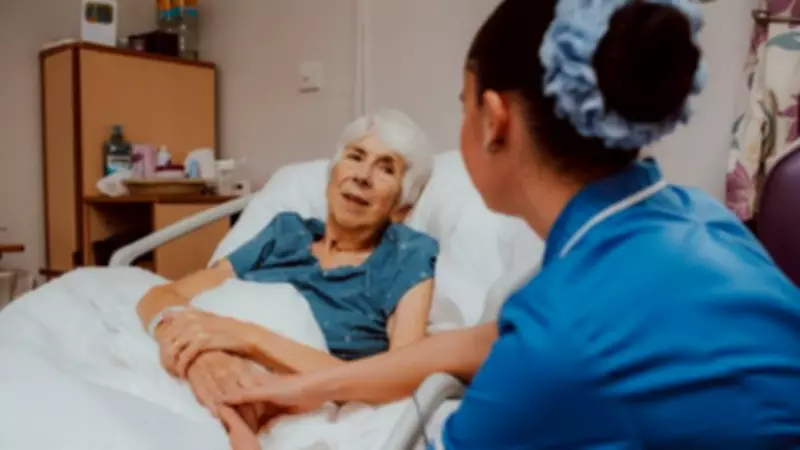
Natalie Birmingham, an assistant practitioner at Moya Cole Hospice, has been working there since 2020. She provides psychological support to patients and families, as well as bereavement support. A significant part of her work involves helping people with conversations around death and dying. Many individuals she speaks with come to therapy because they have anxiety about their diagnosis or prognosis, fears about death, and worries about how the end might look.
Talking about death and dying is very difficult for many people. Traditionally, around 100 years ago, families and communities would care for their loved ones in their final days, making it an open process. Over time, dying has become associated with happening behind closed doors, something private that is rarely discussed.

There are several ways to make the process of talking about death a little easier for you and your loved ones. Consider the time and place of these conversations and how you have them. Face-to-face conversations are particularly helpful. When communicating over the phone or through messages, things can come across in unintended ways, and you might miss verbal and non-verbal cues. It is also important to have the conversation in a place where you will not be disturbed, interrupted, or distracted, such as a quiet and comfortable setting.
These conversations help families discuss what is important. They give people an opportunity to say things that might otherwise remain unsaid. Without these conversations, planning for the future can be difficult, and families may doubt themselves and their decisions. Talking helps break down barriers, such as whether a will is needed, whether they want to arrange their own funeral, or have a say in their end-of-life experience. Many families she speaks with were unsure if they did the right thing because they did not know what their loved one wanted for their funeral or how they wanted the end of their life to look, as they never had these difficult conversations.
It can be emotionally extremely difficult to have these conversations about death and dying. Remember to look after yourself and seek support if needed. The hospice offers support at whatever stage of the process you are at, whether you are a patient, friend, or family member.
Moya Cole Hospice provides holistic care to patients with life-limiting illnesses, including inpatient care, day therapy, and supportive outpatient services from its sites at Heald Green, Stockport, and Little Hulton, Salford. The teams also offer a range of community and outreach services, such as care in the place they call home via a Hospice at Home service available in Salford and Trafford, the hospice’s Community Specialist Palliative Care Team in Salford, and the homelessness palliative care service in Manchester. A 24-hour telephone advice line is available to patients, carers, and healthcare professionals in Salford, Manchester, Trafford, and Stockport.