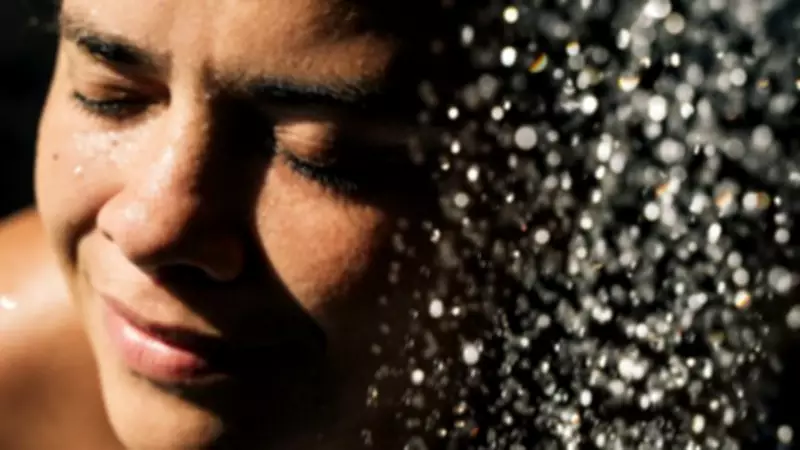
Dark Showering: A Rising Trend for Better Sleep
Across Britain, a growing number of individuals are abandoning the bathroom light pull and embracing the practice of 'dark showering' to facilitate easier drifting off to sleep. This simple evening ritual has seen a surge in popularity as a natural remedy for those weary of tossing and turning into the early hours. By showering in complete darkness, proponents claim it helps maintain uninterrupted slumber and leads to waking up feeling more refreshed. Sleep experts are now evaluating whether this viral trend holds scientific and health merit.
The Science Behind Darkness and Sleep Cycles
Timothy Hearn, a chronobiology specialist from Anglia Ruskin University, explains that the effectiveness of dark showering may lie in how our bodies process light and heat. He notes that modern bathrooms are often the brightest rooms in homes, which can disrupt sleep cycles. "Bright light in the evening signals to the brain’s internal body clock that it is still daytime," Hearn stated, highlighting that this delays melatonin release, our crucial 'darkness signal.'
Key factors include:

- Melatonin suppression: Bright overhead mirrors and LED lights can trick the brain into staying alert.
- The three-hour rule: Research indicates exposure to artificial light can keep you awake for up to three hours after lights are turned off.
- The phone factor: Scrolling on devices produces similar wakeful effects as bright bathroom lighting.
Hearn cautioned that while dark showering might help by reducing evening light exposure, it is not an instant fix for a body clock that has been out of sync for weeks. He emphasized that replacing time under bright lights or on phones with this practice could offer benefits, but it is not a standalone solution.
The Role of Temperature and Sound in Sleep Preparation
Beyond the absence of light, the warmth of shower water plays a significant role in preparing the body for bed. A 2019 meta-analysis of 13 trials found that spending 10 minutes in warm water one to two hours before bedtime can significantly shorten the time it takes to fall asleep.
Additionally, the auditory experience of a dark shower may serve as a secret weapon against stress. Hearn pointed to a 2024 analysis showing that natural sounds, such as flowing water or rainfall, can lower cortisol levels more effectively than total silence, potentially enhancing relaxation and sleep quality.
Expert Cautions and Considerations
Despite the potential benefits, experts advise caution for certain individuals. Hearn warned that no single habit is a cure for chronic insomnia, noting that factors like caffeine timing and daytime sunlight exposure are equally crucial for a good night's rest. He also highlighted risks for those with mobility issues or nighttime anxiety, suggesting that dark showering should be approached with care.
In summary, while dark showering shows promise as a natural sleep aid by reducing light exposure and leveraging warmth and sound, it should be part of a broader sleep hygiene strategy. Further research is needed to fully understand its long-term effects on health and sleep patterns.