Sleep Paralysis 'Demons' Haunt Nearly a Million Britons, New Study Reveals
New research indicates that nearly a million people in Britain are losing sleep due to the frightening phenomenon known as 'sleep paralysis demons'. This unsettling experience has shifted from a medical rarity to a viral sensation, with online interest skyrocketing across the country.
Vivid nighttime hallucinations are preventing many individuals from achieving a good night's rest, according to data from curtain company Hillarys. Google searches about the nature of these 'demons' have surged as more people seek to understand these genuinely terrifying experiences.
What Is Sleep Paralysis?
The NHS describes sleep paralysis as a state where a person cannot move or speak while waking up or falling asleep. Although it can be scary, it is harmless, and most people experience it only once or twice in their lifetime. Understanding the brain's mechanics during these episodes is crucial for regaining control over sleep schedules.

Tom Coleman, a sleep scientist at Hillarys, explains that sleep paralysis occurs when natural sleep cycles briefly become 'uncoupled'. He said, "When we dream, we are typically in REM (Rapid Eye Movement) sleep. During REM sleep, the brain becomes highly active, and vivid dreaming occurs. At the same time, the brain switches off most voluntary muscle activity, a protective mechanism called REM atonia."
Coleman further notes that once the REM cycle ends, muscle tone returns. However, if sleep paralysis happens, "the brain wakes up, but the body remains temporarily in REM paralysis." During this state, a person may be conscious and aware of their surroundings yet unable to move, with dream imagery intruding into waking awareness, leading to hallucinations.
Why It Feels So Real
While the experience often feels supernatural, the 'pressure' many report on their chests is a physiological by-product of relaxed respiratory muscles. Coleman clarifies, "Hallucinations during sleep paralysis are often intense and threatening; some people may sense an intruder, see shadow figures, feel chest pressure, or believe someone is in the room. Breathing continues normally, and episodes usually last from a few seconds to a couple of minutes."
A Terrifying Real-Life Experience
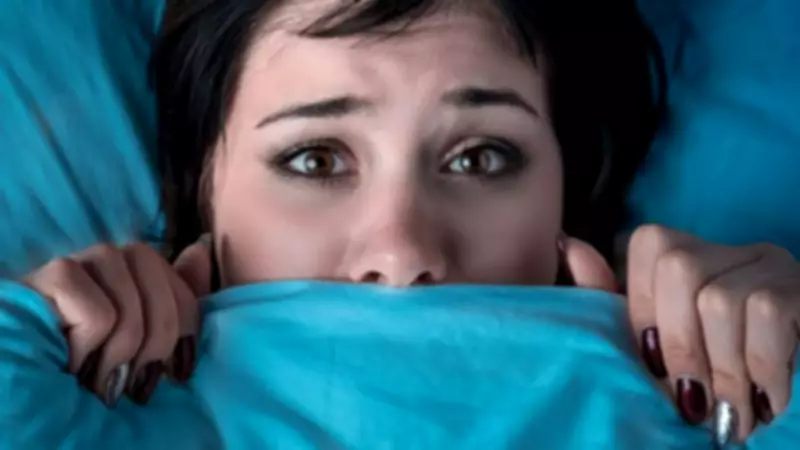
For Melissa Austin, 28, from Worcestershire, sleep paralysis is a vivid reality that predates internet trends. She shares, "I woke up but couldn't move. My entire body felt frozen. At the end of the bed, there was this absolutely huge, black mass standing there. It started climbing onto the bed and pinning me down. I tried to scream, but nothing came out."
Melissa first experienced this at age 16 and has faced it numerous times since, often during periods of stress, such as after giving birth. She feels that viral trends on platforms like TikTok trivialise the genuine fear involved, making it harder to discuss her experiences without being seen as dramatic.
Managing Your Sleep Health
Tom Coleman identifies common triggers for sleep paralysis, including sleep deprivation, irregular sleep schedules, jet lag, shift work, high stress or anxiety, and in some cases, narcolepsy. It is more common in students and individuals with disrupted sleep patterns. While frightening, sleep paralysis is not dangerous, and improving sleep regularity and reducing stress can lower the likelihood of episodes.
Experts recommend several lifestyle adjustments to manage sleep paralysis:

- Maintain a strict routine: Go to bed and wake up at the same time every day to stabilise REM cycles, aiming for seven to nine hours of sleep.
- Prioritise stress relief: High anxiety is a primary trigger for sleep paralysis.
- Side-sleeping: Many find that sleeping on their back increases the likelihood of an episode.