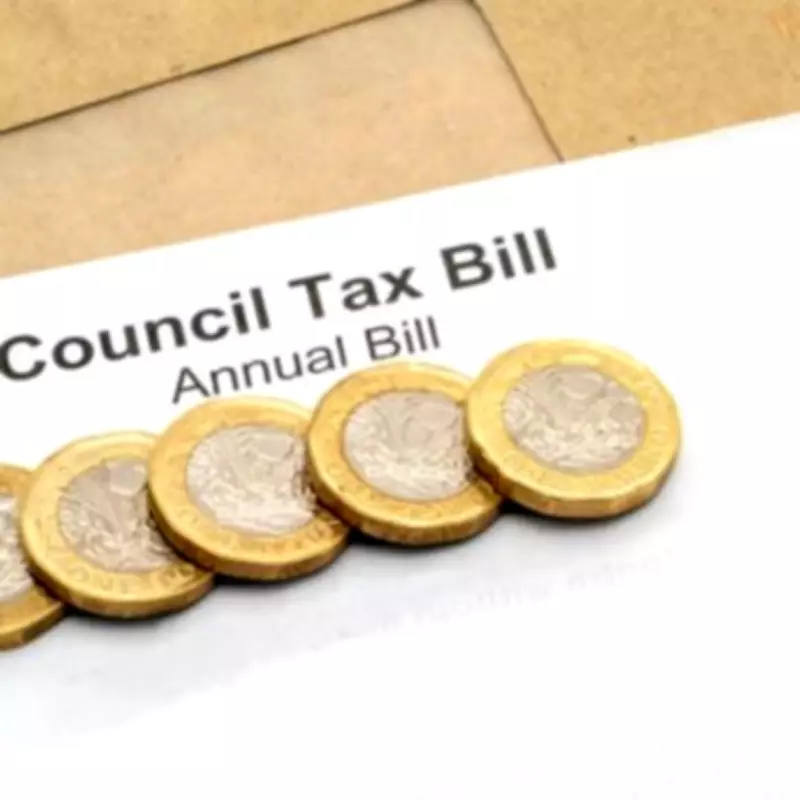
Birmingham City Council Proposes 5% Tax Hike Amid Financial Recovery
Birmingham City Council has announced plans to increase council tax by 4.99 per cent for the 2026/27 financial year, as the authority continues its journey out of a severe financial crisis. This proposed rise follows significant hikes in previous years, with the Labour-run council having declared itself effectively bankrupt in 2023.
Details of the Proposed Council Tax Increase
If approved, the increase will see Band D properties face a rise in their annual bills from £2,237 to £2,353.17, equating to an additional cost of just over £116 for residents starting in April. This move is part of the council's broader budget strategy, which includes an extra £130 million investment in local services, with a particular focus on enhancing cleaner and safer streets across the city.
Council Leader's Statement on Financial Recovery
Council leader John Cotton emphasised the progress made, stating: "Thanks to the decisive, tough action we took to get the council back on track, the 'bankrupt Birmingham' tag is now a thing of the past." The authority has managed to close a substantial £300 million budget gap, though it still grapples with ongoing challenges such as equal pay liabilities and a persistent waste collection dispute that has caused disruption.

Opposition Criticism and Resident Impact
Opposition councillors have voiced strong criticism of the consecutive tax rises. Liberal Democrat leader Roger Harmer highlighted concerns, saying: "Our streets are covered in fly-tipping, our roads are crumbling, and our council tax has soared year on year." This sentiment reflects broader frustrations among households, who have already endured council tax increases of around 10 per cent and 7.5 per cent in the two years following the bankruptcy declaration.
Context of Previous Financial Struggles
The council's financial woes began in 2023 when it declared bankruptcy, leading to a series of austerity measures and tax hikes. Despite the proposed increase, the authority asserts it is no longer in a state of financial emergency, though the recovery process remains delicate. The budget aims to balance service improvements with fiscal responsibility, but residents continue to feel the pinch of rising costs amid ongoing issues like the bins strike.
As Birmingham moves forward, the council tax proposal will be subject to approval, with discussions likely to focus on how the additional funds will translate into tangible benefits for the community, particularly in addressing infrastructure and environmental concerns.