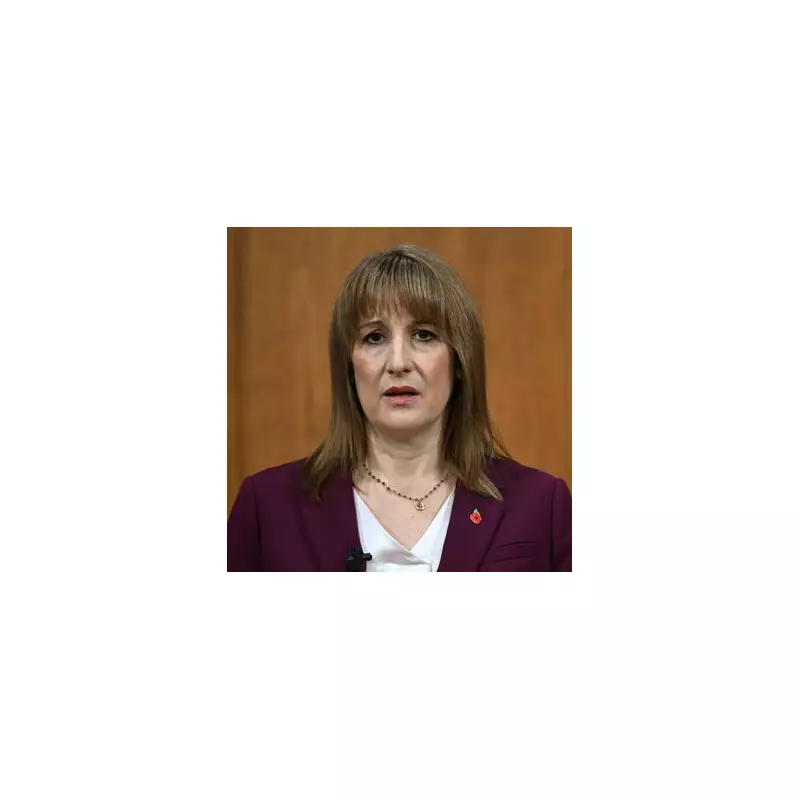
Chancellor Rachel Reeves is confronting a monumental fiscal challenge as she prepares to deliver her crucial Autumn Budget later this month.
The Scale of the Challenge
Economists have issued a stark warning to the Labour Chancellor: she needs to raise between £35 billion and £45 billion by the 2029-30 financial year. This enormous sum must be found without derailing the UK's already fragile economic growth, creating an immensely difficult balancing act for the government.
Maxime Darmet, Senior Economist at Allianz Trade, emphasised the complexity of the task. He stated the objective is "to keep the target of a balanced current budget by 2029-30 without harming GDP growth, raising inflation, or shaking financial markets."

Why Tax Rises Are Inevitable
With major spending cuts ruled out for both practical and political reasons, the burden of fiscal consolidation will fall heavily on tax increases. The Chancellor has explicitly promised "no return to austerity," closing off one potential avenue for balancing the books.
This stance was reinforced earlier this year when Reeves was forced into a policy U-turn on social benefit cuts following strong backlash from left-leaning Labour MPs. The political reality makes deep spending reductions an unlikely path forward.
The Economic Backdrop
The challenge is compounded by disappointing economic news. The Bank of England confirmed the UK's economy grew slower than expected in the third quarter, with just a 0.1% increase between July and September.
Key economic indicators from the Office for National Statistics reveal a mixed picture:
- Services output grew by 0.2% and construction by 0.1%
- The production sector fell by 0.5%, driven by weakness in manufacturing
- Real GDP per head showed no growth in the latest quarter
Liz McKeown, Director of Economic Statistics at the ONS, noted: "Across the quarter as a whole manufacturing drove the weakness in production. There was a particularly marked fall in car production in September, reflecting the impact of a cyber incident."
All eyes will be on the Chancellor on November 26 when she outlines the government's spending plans and reveals how she intends to navigate this formidable economic predicament.