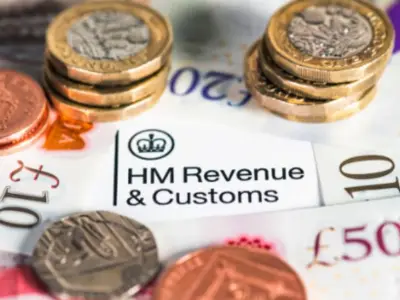
The BBC is facing a dual crisis as its television licence fee is set for a significant increase while the number of households paying the charge is in sharp decline.
Projected Price Hike and Plummeting Subscribers
Official forecasts from the Office for Budget Responsibility indicate that the annual licence fee, currently set at £174.50, could rise to just under £197 by the end of the decade if it continues to track inflation.
This potential increase comes as the number of fee-payers is projected to drop by more than one million, falling to around 21 million households. This exodus is largely attributed to viewers switching to streaming giants like Netflix, Amazon Prime, and Disney+.

The Scale of the Financial Black Hole
The financial situation for the broadcaster is severe. The BBC lost over £1 billion last year alone due to households either cancelling the levy or refusing to pay. In 2024, an additional 300,000 households stopped their payments.
A report by the Public Accounts Committee uncovered that a total of 3.6 million households now claim they do not require a TV licence. Furthermore, it is believed that one in eight users are actively evading payment despite accessing BBC services.
Political Pressure and an Uncertain Future
These alarming figures emerge just as the BBC heads into critical negotiations over its future funding model, with its Royal Charter due to expire in 2027.
Culture Secretary Lisa Nandy has stated she is prepared to be “radical” in reviewing the system and has pledged to consider all options. She insists funding must remain “sustainable” but is weighing whether to block a near-£7 increase scheduled for spring, which would represent a rise of almost 4%.
This potential intervention follows a precedent set in 2022, when the Conservative government froze the fee for two years. Even before the current turmoil, the BBC’s licence fee income had fallen 30% in real terms between 2010 and 2020 due to repeated funding squeezes.