Political leaders at Birmingham City Council were confronted with intense public and political anger this week as the city's long-running bins strike nears its one-year anniversary, bringing with it unacceptable costs and deepening frustration for residents.
Heated Exchanges and Public Outcry
The full council meeting on Tuesday, December 2, was temporarily adjourned after a member of the public in the gallery began shouting at councillors. The man, who expressed support for the Unite union, accused the council of wasting millions of pounds and lying about the equal pay liability that underpins the dispute. "No apology from any of you," he declared before being removed by security.
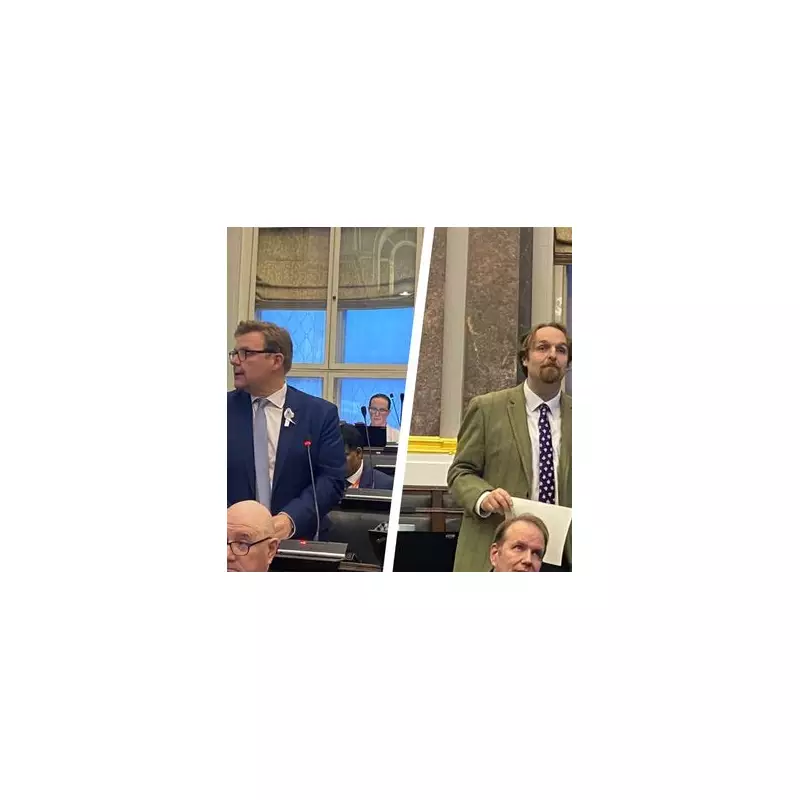
The opposition Conservative group leader, Councillor Robert Alden, seized on the moment to criticise the Labour administration's handling of the crisis. He demanded to know how much longer residents must endure the "misery" of piled-up rubbish and rats before council leader John Cotton personally meets with Unite to end the strike.

Leadership Standoff and Sticking Points
Council leader John Cotton hit back, defending the council's approach to industrial relations. He argued it is proper for political leaders to set strategy while professional officers conduct negotiations. Cotton claimed that Unite had rejected a "succession of fair offers" and was demanding concessions that would reopen the council's crippling equal pay challenges.
"I would like to see this dispute brought to a close – but what I will not do is put at risk the financial viability of this council," Cotton stated firmly. The dispute originated from changes to the Waste Recycling and Collection Officer (WRCO) role, with striking workers concerned about pay.
The Mounting Financial and Service Toll
The financial impact of the industrial action, which began in January, is severe. Cabinet member for environment, Councillor Majid Mahmood, confirmed that direct costs and lost garden waste income total at least £14 million. A full financial report is expected at a budget meeting in February.
Furthermore, the strike has delayed a crucial project to transform the waste service, pushing its implementation back from April 2025 to June 2026. When asked if the council would refund residents who hired private contractors to clear overflowing community bins, Mahmood's response was unequivocal: "The simple answer to your question is no."
With the strike poised to hit the one-year mark, the political stalemate in Birmingham shows no immediate sign of breaking, leaving the city to grapple with the ongoing cost and clutter.