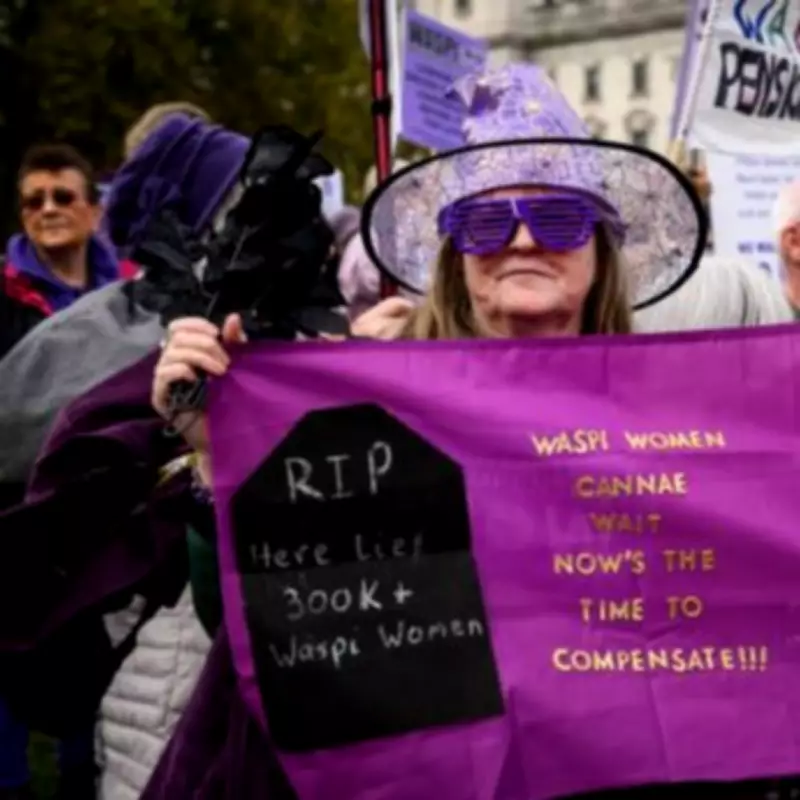
The Department for Work and Pensions has issued a significant update regarding compensation for WASPI women, following the rejection of a petition that garnered substantial public support. The petition, which demanded both an apology and financial redress from the Labour Party government, accumulated an impressive 60,000 signatures before being formally refused by the DWP.
Petition Demands and Government Response
In their petition, WASPI campaigners articulated a clear demand for comprehensive government action. They called for a fair, timely, and fully transparent apology that acknowledges all evidence of maladministration and discrimination. The campaigners specifically highlighted the financial, emotional, and personal hardship experienced by women born in the 1950s, which they attribute directly to changes in State Pension age arrangements.
The petition statement emphasised that many women from this generation have faced what they describe as lifelong and historic discrimination, a situation made significantly worse by what campaigners claim was the government's failure to properly communicate crucial State Pension Age changes. Campaign groups have expressed frustration that DWP Ministers appear to have listened only to a small fraction of those affected, leaving the majority feeling ignored and marginalised.

DWP's Official Position
In their official response dated Monday, February 9, the DWP provided clarification on their stance. The department stated they have already apologised for not sending State Pension age letters sooner, addressing one aspect of the campaigners' concerns. However, they made a clear distinction between this administrative apology and the broader demands for compensation.
The DWP explained that their decision not to pay compensation relates specifically to the Ombudsman's report findings, rather than the broader hardships described in the petition. They referenced the Secretary of State's announcement on January 29, where the government accepted that individual letters about State Pension age changes could indeed have been sent earlier. This admission was accompanied by a formal apology delivered both in the House of Commons and in published documentation explaining the decision.
Campaigners' Reaction and Future Prospects
Despite this rejection, the petition maintains a potential pathway forward. Should the signature count reach 100,000, the matter would become eligible for consideration for parliamentary debate, offering campaigners a potential platform to advance their cause through legislative channels.
Angela Madden, chair of the WASPI campaign, expressed strong disappointment with the government's response. She confirmed that the group is currently seeking legal advice and that all options remain under active consideration. Madden stated unequivocally that campaigners stand ready to pursue every available avenue, both within parliament and through the courts, to secure what they describe as long-overdue justice.
Madden further criticised what she characterised as the government's utter contempt for 1950s-born women, parliament, and the parliamentary ombudsman. She accused ministers of delaying meaningful action for months, only to arrive at what she described as their predetermined conclusion. According to Madden, this represents a disgraceful political choice made by a small group of powerful individuals who have decided that the harm and injustice suffered by millions of ordinary women simply does not matter in their calculations.
The situation continues to develop as campaigners consider their next steps, with potential legal action and continued parliamentary pressure forming key elements of their strategy moving forward.