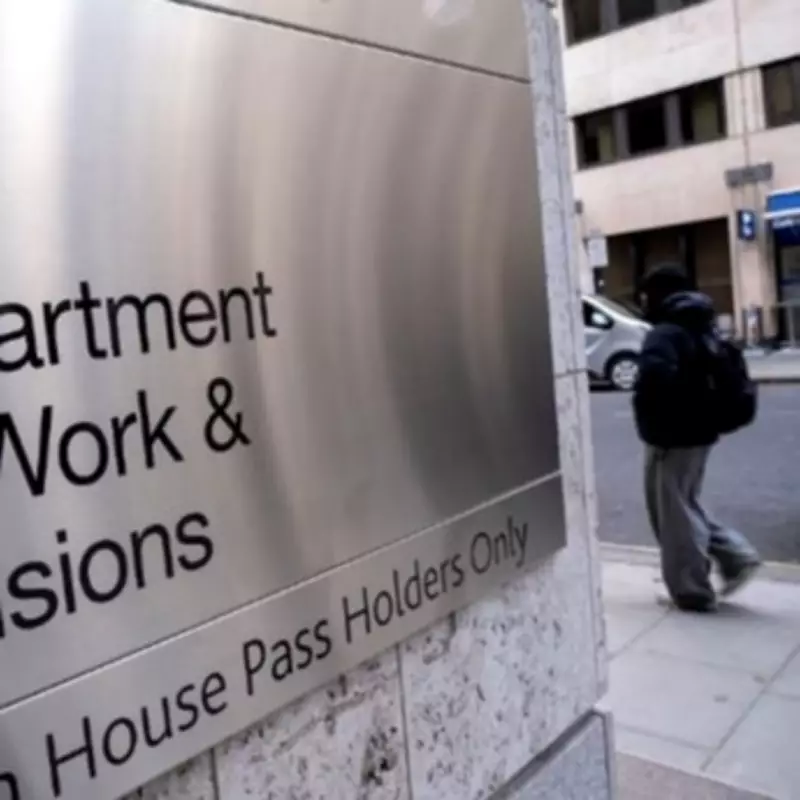
DWP Urged to Reinstate In-Person PIP Assessments to Save £2 Billion Annually
The Department for Work and Pensions (DWP) has been advised to reintroduce face-to-face assessments for Personal Independence Payment (PIP) claimants, a move that could potentially slash the UK's benefits bill by nearly £2 billion each year. This recommendation follows a significant decline in in-person meetings during the Covid-19 pandemic, which has led to concerns about the integrity of the assessment process.
Analysis Highlights Discrepancy in Approval Rates
Conservative Party analysis has uncovered a notable disparity in PIP approval rates between face-to-face and remote assessments. When claimants are evaluated in person, only 44 percent are approved for the benefit. In contrast, remote assessments conducted over the phone or via video call result in a much higher approval rate of 57 percent.
This shift has contributed to an additional 259,000 successful claims per year on average, equating to an extra £1.8 billion in annual welfare payments. The analysis suggests that the ease of gaming the system without proper in-person checks has exacerbated this issue.

Historical Context and Current Trends
In 2019, before the pandemic, 83 percent of PIP assessments were conducted face-to-face. However, by September 2025, this figure had plummeted to just five percent. The DWP has acknowledged this decline, with a source noting that under the previous government, face-to-face assessments dropped to six percent, but current efforts aim to increase this to 30 percent.
Shadow Work and Pensions Secretary Helen Whately emphasized the risks associated with remote assessments, stating, "The collapse in face-to-face assessments has made it easier to game the system and harder to enforce proper checks. This increases the risk claims are approved when not needed. Only by restoring proper, in-person assessments can we make sure support goes to those who truly need it."
DWP Response and Assessment Procedures
A DWP source disputed the figures presented in the analysis, saying, "We don’t recognise these figures. Under the last government, the number of face-to-face PIP assessments slumped to six percent. We are increasing that to 30 percent." Currently, the DWP prioritizes assessing claimants through medical evidence and remote communication methods, such as phone or video calls.
Claimants are encouraged to submit their medical evidence promptly to facilitate these remote assessments. If a remote evaluation is not feasible, the DWP will then arrange a face-to-face medical assessment to ensure a thorough review.
The ongoing debate highlights the balance between efficiency and accuracy in the welfare system, with calls for more stringent in-person checks to safeguard public funds and ensure that support is directed appropriately.